Choosing between Wellesley and its nearby towns can feel harder than it looks. On paper, these communities all sit within the same Greater Boston orbit, but the day-to-day experience can be very different depending on what you value most. If you are weighing price, housing type, commute options, or the feel of the town center, this guide will help you compare the tradeoffs with more clarity. Let’s dive in.
Wellesley at a Glance
Wellesley stands out for its village-centered feel. Rather than revolving around one large commercial strip, the town is shaped by distinct centers like Wellesley Square, Wellesley Hills, the Fells area, and Linden Square.
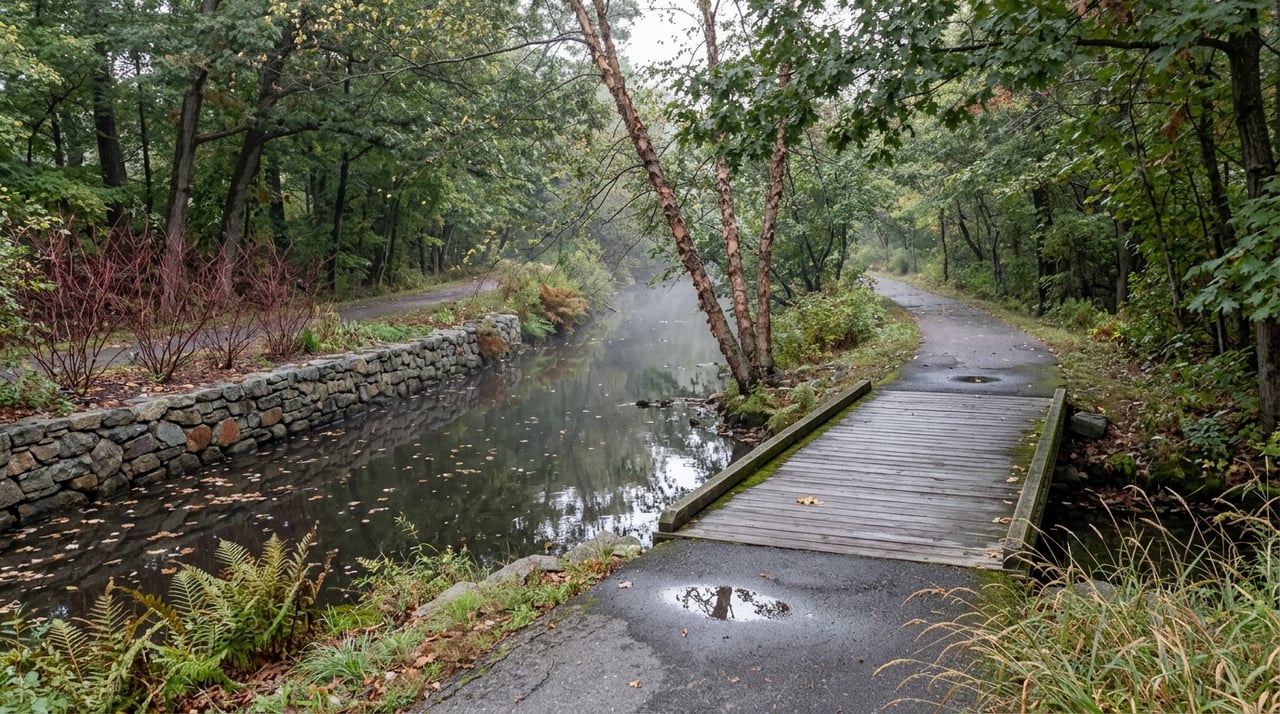
That layout gives Wellesley a polished but practical rhythm for daily life. You get commuter rail access, a strong retail core, and nearby outdoor amenities like Morses Pond and an extensive trail network, all within a town that still feels residential and rooted.
How Wellesley Compares on Home Prices
If price is one of your first filters, the differences among these towns are meaningful. Based on the latest median sale price snapshots in the research report, Wellesley sits in the upper-middle of this group.
| Town | Median Sale Price |
|---|---|
| Weston | $2,308,000 |
| Needham | $2,100,000 |
| Wellesley | $1,825,000 |
| Newton | $1,450,000 |
| Natick | $914,678 |
In simple terms, Wellesley is less expensive than Weston and Needham by current median sale price, but more expensive than Newton and Natick. For many buyers, that places Wellesley in a sweet spot if you want a high-end suburban market with strong amenities and rail access, but you are also comparing value across nearby towns.
Housing Types by Town
Price is only part of the story. The housing mix also changes what your options look like when you start touring homes.
Wellesley Housing Mix
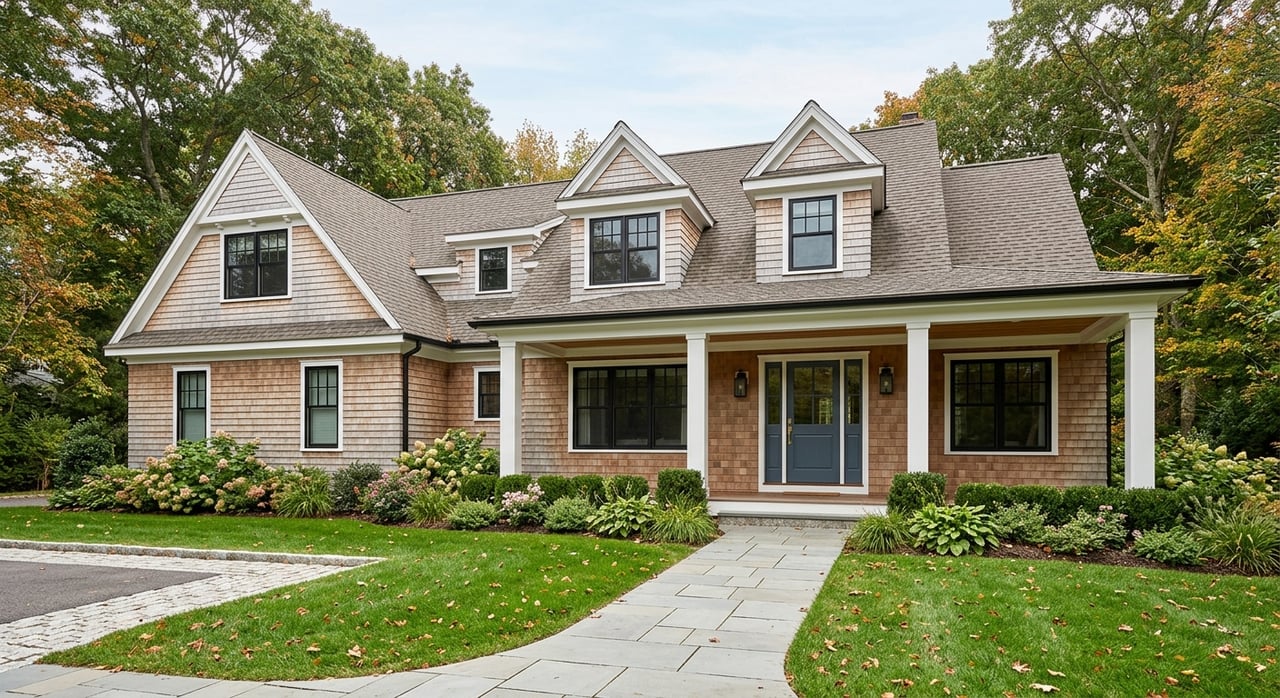
Wellesley remains primarily a single-family home market, but it does offer a visible attached-home segment. The recent market snapshot in the research report showed 14 condos, 5 townhouses, and 1 multi-family unit in the mix, which suggests more flexibility than some buyers expect.
That matters if you want Wellesley’s location and lifestyle but are not focused only on a detached home. In practice, attached options can be especially relevant near the town’s centers.
Newton Housing Mix
Newton offers the broadest housing variety in this comparison. The research report noted 71 condos, 78 townhouses, and 15 multi-family units in the recent-for-sale mix.
If you want the most product variety, Newton is the strongest fit. It can appeal to buyers looking for anything from a condo to a townhouse to a traditional single-family home, often with easier access to different transit options as well.
Needham Housing Mix
Needham is still primarily a single-family market, but townhouse options are visible in areas near Needham Heights and Needham Center. The town’s planning work also points toward support for a greater range of housing options over time, including apartments and town homes.
For buyers, that means Needham may feel like a middle ground. It is not as housing-diverse as Newton, but it offers more variation than a town with very limited attached inventory.
Weston Housing Mix
Weston is the most low-density option in the group. The research report notes that about 20% of the town is conservation land, and much of Weston is limited to single-family homes on minimum lot sizes of at least half an acre.
Its recent-for-sale mix showed only 2 condos, 2 townhouses, and 1 multi-family unit. If you are looking for land, privacy, and a quieter street pattern, Weston is the clearest outlier.
Natick Housing Mix
Natick has a more mixed and accessible housing profile. The recent market snapshot showed 24 condos, 11 townhouses, and 5 multi-family units, which lines up with its broader value-oriented reputation in this comparison.
If you want a lower current median price and a greater chance of finding attached housing, Natick deserves a close look. It offers a different price point without giving up commuter rail access.
Commute and Transit Differences
For many buyers, daily convenience is what really separates these towns. Wellesley performs well here, but each nearby town has a distinct transportation story.
Wellesley Transit Access
Wellesley has three commuter rail stations on the Framingham/Worcester line: Wellesley Square, Wellesley Hills, and Wellesley Farms. The town guide also highlights nearby Green Line access at Woodland and Waban, along with local mobility options such as CATCH Connect, Route 1, and a weekend Green Line connector.
That gives Wellesley a strong balance. You have multiple rail points in town and added flexibility for regional connections.
Newton Transit Access
Newton has the widest transit network in the group. It includes Green Line stops at Riverside, Woodland, Waban, Eliot, Newton Highlands, Newton Centre, and Chestnut Hill, plus commuter rail service at Auburndale, West Newton, and Newtonville, along with multiple bus routes and Bluebikes.
If transit breadth is a top priority, Newton leads this comparison. It feels more urban-suburban in daily function than the other towns here.
Needham Transit Access
Needham has four MBTA commuter rail stops, Route 59 bus access via Newtonville, and convenient highway access through Route 128 exits 33 and 35. That combination makes it especially appealing if your routine depends on both train and car travel.
For some buyers, that practical flexibility is Needham’s biggest strength. It supports a suburban lifestyle while keeping regional access front and center.
Weston Transit Access
Weston has commuter rail service from Hastings and Kendal Green to North Station, but no town bus service. As a result, Weston is the most car-dependent town in this group.
That is not necessarily a drawback if you want a lower-density setting and tend to drive most places anyway. But it is an important quality-of-life difference if walkability or transit variety matters to you.
Natick Transit Access
Natick is served by two MBTA commuter rail stops, Natick Center and West Natick. It also has MWRTA service and Logan Express, and Natick Center includes metered, kiosk-lot, and permit parking.
That mix gives Natick a practical, everyday convenience factor that many buyers appreciate. It supports both commuting and downtown access in a straightforward way.
Lifestyle and Town Center Feel
Once you move beyond square footage and price, the real question becomes how you want your week to feel. This is where Wellesley and its nearby towns start to separate in a more personal way.
Wellesley: Village-Centered and Refined
Wellesley is a strong fit if you want a town organized around recognizable commercial villages rather than a highway-oriented pattern. Wellesley Square and Linden Square are especially central to that experience, and the town’s trail network and Morses Pond add outdoor access that supports an active local lifestyle.
For many buyers, Wellesley feels balanced. It offers convenience and polish without losing the sense of being in a true suburban community.
Newton: Most Village-Rich
Newton is built around 13 distinct village centers. That gives it the most layered town-center structure in this comparison and supports a broader mix of recreation, library, cultural, and municipal amenities.
If you want the most village-based, transit-rich suburban setting, Newton is a compelling alternative to Wellesley. It often appeals to buyers who want more variety in both housing and daily destinations.
Needham: Center-Focused and Evolving
Needham Center is described in the town plan as the geographic and symbolic center of town. The Envision Needham Center effort is focused on making it more vibrant, sustainable, and resilient, while the Center at the Heights adds another community-service anchor.
That gives Needham an interesting middle-ground identity. It feels center-focused and practical, with an eye toward making the core more walkable and more of a destination over time.
Weston: Quiet and Low-Density
Weston’s lifestyle is shaped less by mixed-use centers and more by open land, recreation amenities, and a lower-density pattern. The town points to Town Center, the Town Green, the Community Center, and recreation resources including athletic fields, tennis courts, basketball courts, and Weston Memorial Pool.
If you are looking for privacy, space, and a quieter overall pace, Weston stands apart. It is fundamentally different from Wellesley, Newton, Needham, and Natick in that respect.
Natick: Downtown Energy and Value
Natick has a more downtown-oriented civic identity, especially around Natick Center Cultural District and the Morse Institute Library. The mix of commercial, cultural, residential, and civic uses makes the center feel more layered than a typical strip-commercial suburb.
For buyers who want a recognizable downtown and a lower current median price point, Natick can offer a very appealing combination. It brings together convenience, rail access, and a more accessible entry point in this group.
Which Town Fits Your Priorities?
If you are comparing Wellesley with nearby towns, your best choice often comes down to the tradeoff you are most willing to make.
Wellesley may fit best if you want:
- Village-center living with commuter rail access
- A primarily single-family market with some attached-home options
- A polished town core with outdoor amenities like trails and Morses Pond
- A higher-end suburban setting that sits below Weston and Needham in current median sale price
Newton may fit best if you want:
- The widest housing variety
- The strongest transit network
- A more urban-suburban feel built around many village centers
Needham may fit best if you want:
- A suburban setting with strong train and highway convenience
- A center-focused town identity
- A middle-ground feel between Newton’s density and Weston’s quiet
Weston may fit best if you want:
- Larger-lot, low-density living
- A more car-oriented lifestyle
- Space, privacy, and conservation-influenced land use
Natick may fit best if you want:
- The lowest current median sale price in this comparison
- Downtown convenience with commuter rail access
- More mixed-use character and more accessible attached-home options
Final Thoughts on Wellesley vs Nearby Towns
There is no single “best” town in this group, only the best fit for how you want to live. Wellesley stands out when you want a refined village-centered environment, commuter rail convenience, and a market that still offers some flexibility beyond traditional single-family homes.
If you are deciding between Wellesley, Newton, Needham, Weston, or Natick, the right move usually comes from matching your budget, commute, and preferred daily rhythm. If you want a clear, local perspective on how these towns compare in the current market, Laura Wurster can help you evaluate your options with the steady guidance of a local broker who understands both the neighborhood details and the transaction process.
FAQs
How does Wellesley compare to Newton for housing choices?
- Wellesley is still mostly single-family with some condo and townhouse inventory, while Newton has the broadest housing mix in this group, including a much larger number of condos, townhouses, and multi-family options.
How does Wellesley compare to Needham for commuting?
- Wellesley offers three commuter rail stations and nearby Green Line access, while Needham stands out for its four commuter rail stops plus Route 128 highway access.
How does Wellesley compare to Weston for lifestyle?
- Wellesley is more village-centered and transit-connected, while Weston is more low-density and car-dependent, with a stronger emphasis on space, conservation land, and quieter streets.
How does Wellesley compare to Natick on home prices?
- Based on the current median sale prices in the research report, Wellesley is substantially higher than Natick, while Natick offers the lowest median sale price among the five towns compared here.
What makes Wellesley distinct from nearby towns overall?
- Wellesley stands out for its blend of village centers, commuter rail access, retail core, and outdoor amenities, which gives it a polished suburban feel that is different from Newton’s transit breadth, Needham’s practical convenience, Weston’s low density, and Natick’s value-oriented downtown character.