If you are thinking about living in Wellesley year-round, it helps to know that the town does not feel the same in every season. From trail walks and pond days to snow routines and holiday events, daily life shifts in ways that can shape how you use your home and your time. Understanding that rhythm can help you choose a property, a location, and even a layout that fits how you want to live. Let’s dive in.
Wellesley Has a True Four-Season Rhythm
Wellesley follows a classic New England pattern, and that affects everything from outdoor plans to daily routines. Using Greater Boston climate normals as a benchmark, the average annual temperature is 51.9°F, with about 43.59 inches of precipitation and 49.2 inches of snowfall each year.
The seasons are distinct. Winter averages about 32.5°F, spring about 48.4°F, summer about 71.6°F, and fall about 55.0°F. That means living in Wellesley is not just about one favorite season. It is about adjusting comfortably as the year changes.
The town also has a community calendar that reinforces this seasonal pattern. Wellesley Recreation publishes separate fall, winter, spring, and summer programming, which gives the year a more structured feel. In practical terms, the town’s lifestyle is shaped by both weather and organized local activity.
Spring Brings Wellesley Back Outdoors
By May, outdoor living becomes much more visible again. The average daily high reaches 66.5°F, and the mean temperature is 58.4°F, which makes it easier to spend longer stretches outside without the stop-and-start feel of early spring.
This is when town-centered spring events and open-space routines tend to pick up. Wellesley in Bloom is one example of how the season shows up locally, with activity centered around Wellesley Square and Linden Square. Spring guided walks through local open spaces also highlight places like the Charles River corridor, Longfellow Pond, aqueduct areas, and Centennial Reservation.
For many buyers, this is when Wellesley’s everyday appeal becomes easier to picture. You start to see how trails, town centers, and green space are part of regular life rather than occasional destinations.
Summer Centers on Water, Parks, and Evenings Out
Summer is Wellesley’s most visibly active outdoor season. The town has 255 acres of active recreation areas across school properties and recreational parks, including spaces like Hunnewell Field Complex, Kelly Field, and Morses Pond Beach. These facilities support a wide mix of seasonal routines, from field use and track time to casual afternoons outdoors.
Morses Pond is one of the clearest anchors of summer living in town. The pond spans about 100 acres and is used for swimming, boating, and fishing, with Recreation Department management during June through August. It also includes beach access, trails, and seasonal watercraft rentals, making it a practical and popular warm-weather destination.
Summer in Wellesley is not only about daytime activity. The Recreation Department also hosts a free summer concert and outdoor movie series on Wednesdays at Town Hall Green. That kind of recurring evening event can make the season feel social and easy to enjoy close to home.
Trails Shape Daily Life Across Seasons
One of Wellesley’s strongest lifestyle features is the breadth of its trail and open-space network. The town has 48 miles of trails, including 30 miles of marked trails, connecting conservation land and open spaces across town.
This gives residents more than a single park or destination. The Town Forest alone covers 221 acres, while the North 40 adds a 46-acre passive recreation area with walking trails, a vernal pool, and the Weston Road Community Gardens. That kind of access can influence where and how you spend your free time throughout the year.
For homebuyers, this is an important point. In Wellesley, proximity to trails, parks, and recreation areas can shape your weekly routine as much as the home itself.
Fall Feels Cooler and More Layered
Fall in Wellesley brings a noticeable shift in pace. Average temperatures move from 65.6°F in September to 54.8°F in October and 44.7°F in November. Outdoor time does not disappear, but it becomes more seasonal, more layered, and often more event-driven.
This is often when people return to walking, local errands, and shorter outdoor outings in cooler weather. Community events also help keep the season active. The Halloween Stroll in Wellesley Hills, for example, brings trick-or-treating, games, music, and family activity into the business district and Clock Tower Park.
For many residents, fall is one of the most balanced times of year. You still have access to trails and town centers, but with a different tempo than summer.
Winter Adds Snow Routines and Downtown Traditions
Winter in Wellesley is not abstract. It comes with real snow, colder temperatures, and practical day-to-day adjustments. Snowfall is concentrated from December through March, with January and February each averaging roughly 14 inches.
December averages 35.7°F, and the colder months require more planning around commuting, parking, and home maintenance. The town’s traffic rules prohibit parking where a vehicle interferes with snow plowing or ice removal, which is a useful reminder that winter living here includes active snow management.
At the same time, winter is not only about logistics. Downtown events like the Holiday Stroll in Wellesley Square help keep local centers active, with caroling, a tree-lighting ceremony, seasonal activities, and free two-hour parking through early January. Even in colder weather, community life remains visible.
What Seasonal Living Means for Your Home Search
If you are buying in Wellesley, the seasons can influence what features matter most over time. A home may look great in one month, but year-round livability often comes down to how well it handles transitions.
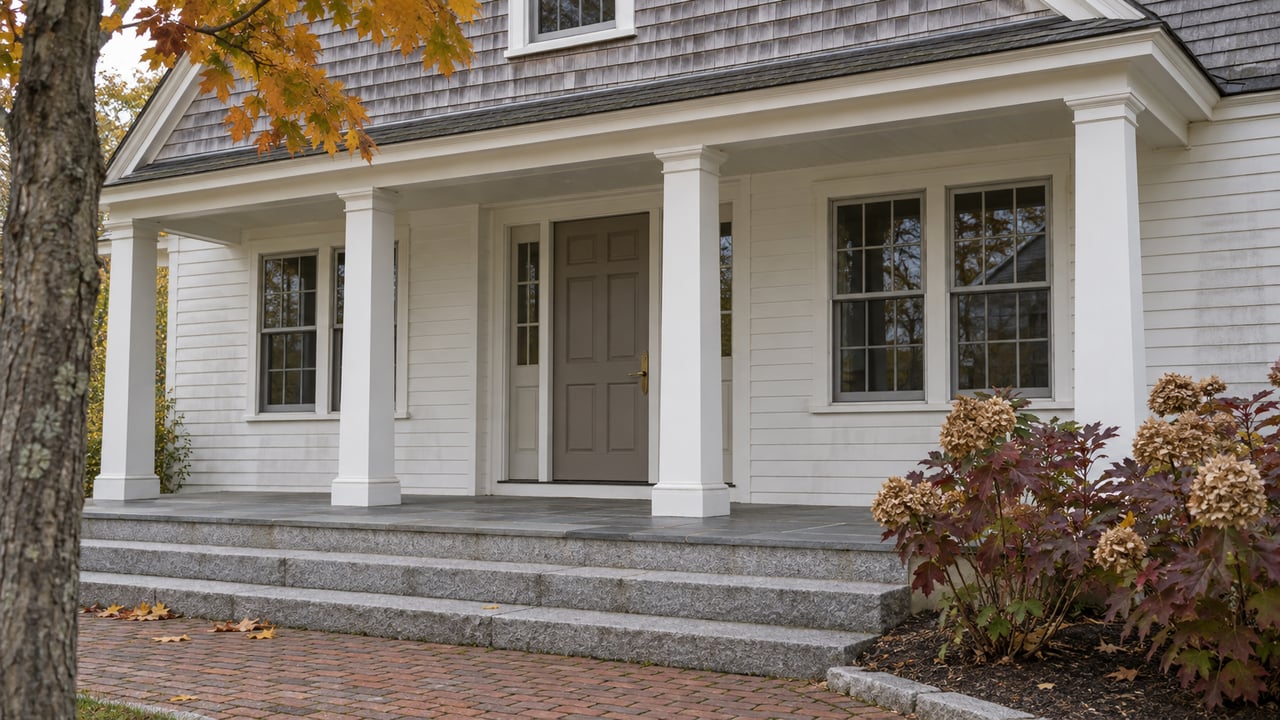
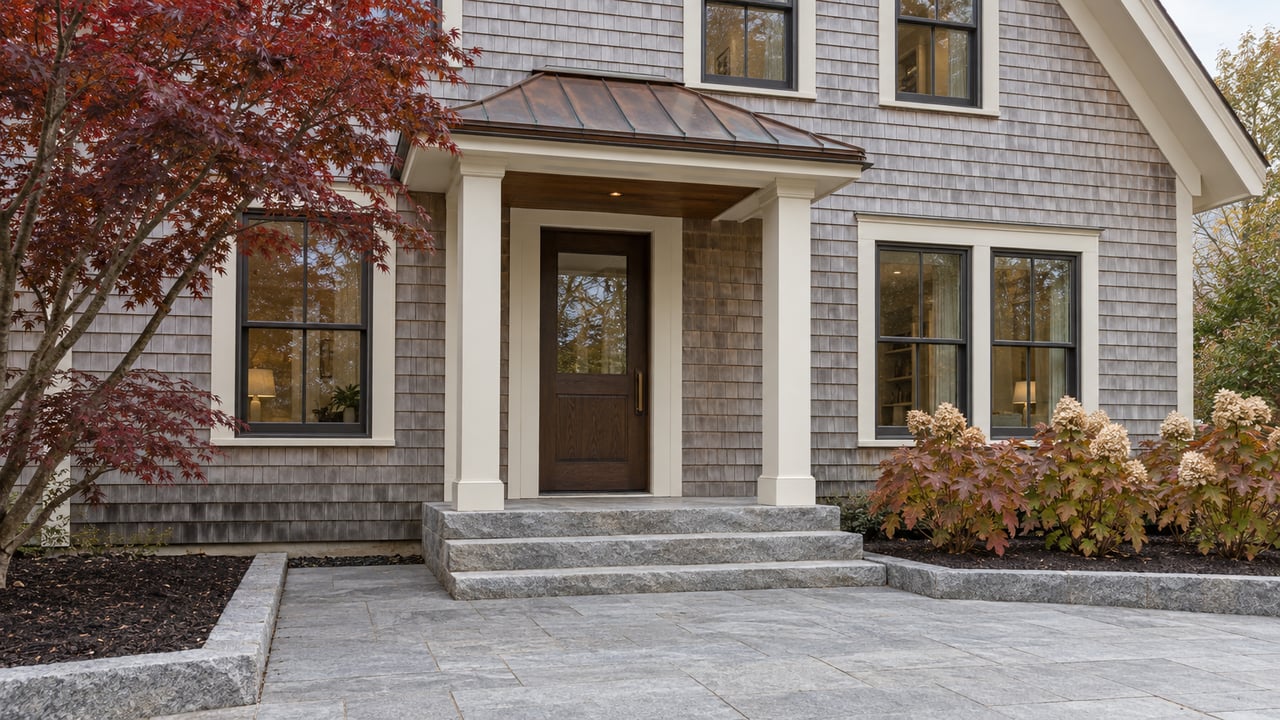
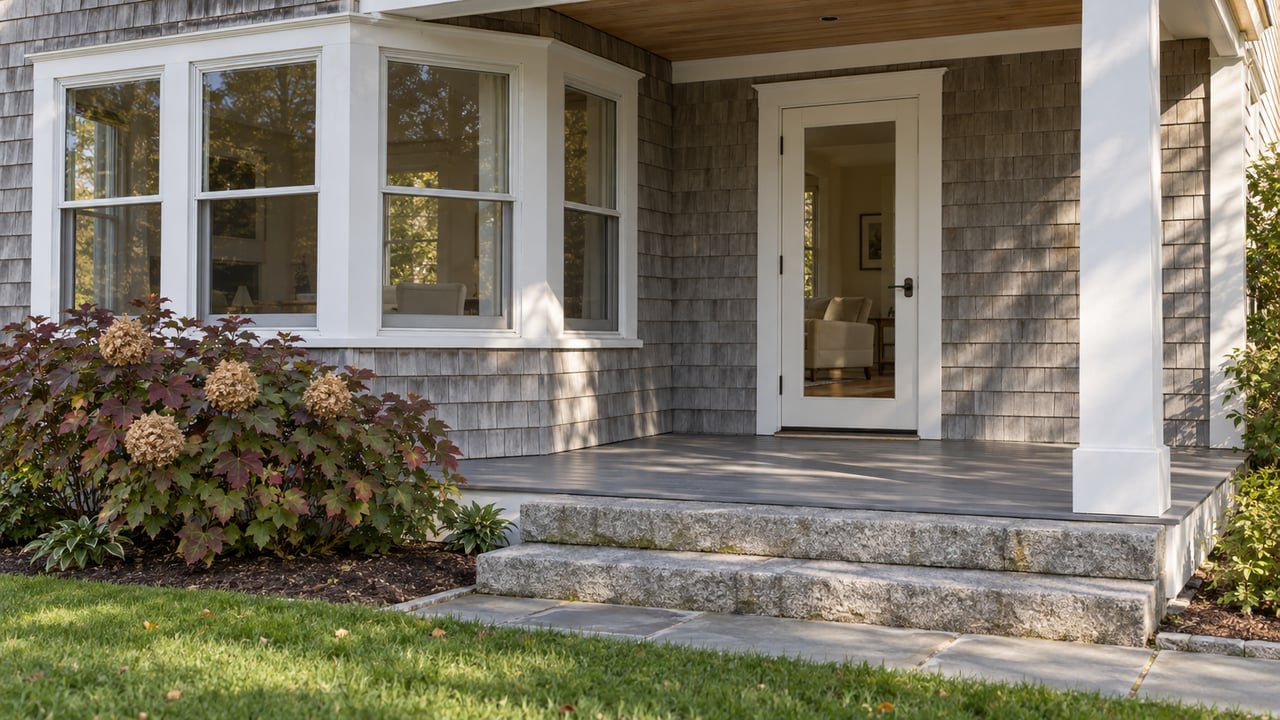
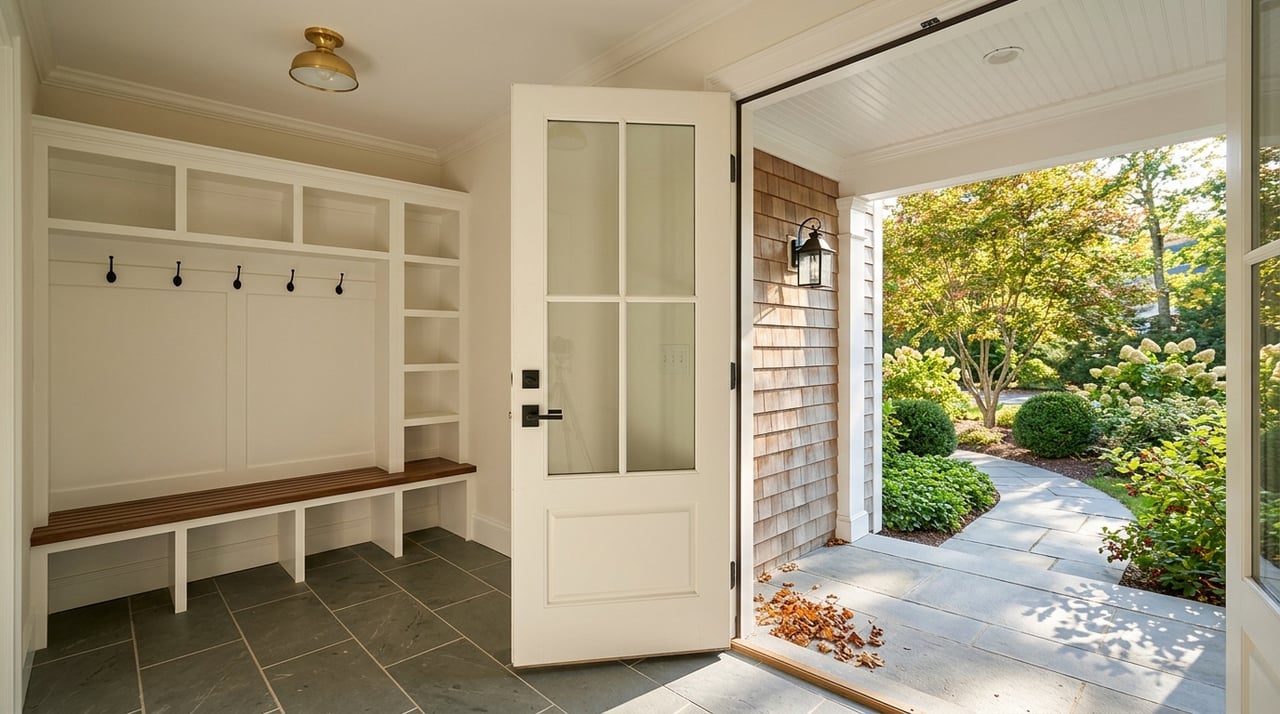
Features like a garage, mudroom, durable entry flooring, coat storage, and easy indoor-outdoor flow can make a real difference in a climate with snow, wet shoulder seasons, and a long outdoor recreation calendar. These are practical advantages, not just nice extras.
Location matters too. In a town with broad access to trails, fields, parks, and the pond, many buyers find it useful to think beyond interior square footage alone. Access, flexibility, and how close you are to the places you will use repeatedly can shape your experience of the home just as much as the floor plan.
Why Year-Round Perspective Matters
Wellesley is not a town that shines in only one season. Its appeal is more balanced than that. Spring brings blooms and guided walks, summer brings pond days and evening programming, fall brings cooler community outings, and winter brings both snow routines and seasonal gatherings.
That is why a thoughtful home search here benefits from a full-year lens. When you understand how the town functions across all four seasons, you can make a better decision about the kind of home and location that will support your life long after move-in day.
If you are considering a move in Wellesley and want practical guidance on how location, layout, and year-round livability fit into your search, Laura Wurster can help you evaluate your options with local knowledge and a steady, detail-focused approach.
FAQs
What is the weather like across the year in Wellesley?
- Wellesley follows a four-season New England climate, with average seasonal temperatures of about 32.5°F in winter, 48.4°F in spring, 71.6°F in summer, and 55.0°F in fall.
What outdoor recreation options are available in Wellesley during summer?
- Summer activity in Wellesley often centers on Morses Pond, parks, fields, and free Wednesday concerts and outdoor movies at Town Hall Green.
How extensive are Wellesley trails and open spaces?
- Wellesley has 48 miles of trails, including 30 miles of marked trails, plus major open spaces such as the 221-acre Town Forest and the 46-acre North 40.
What changes about daily life in Wellesley during winter?
- Winter brings colder temperatures, concentrated snowfall from December through March, and practical routines like snow-aware parking and plowing considerations.
What home features are useful for year-round living in Wellesley?
- Buyers often value practical features such as garages, mudrooms, durable entry flooring, coat storage, and layouts that make indoor-outdoor transitions easier across changing seasons.