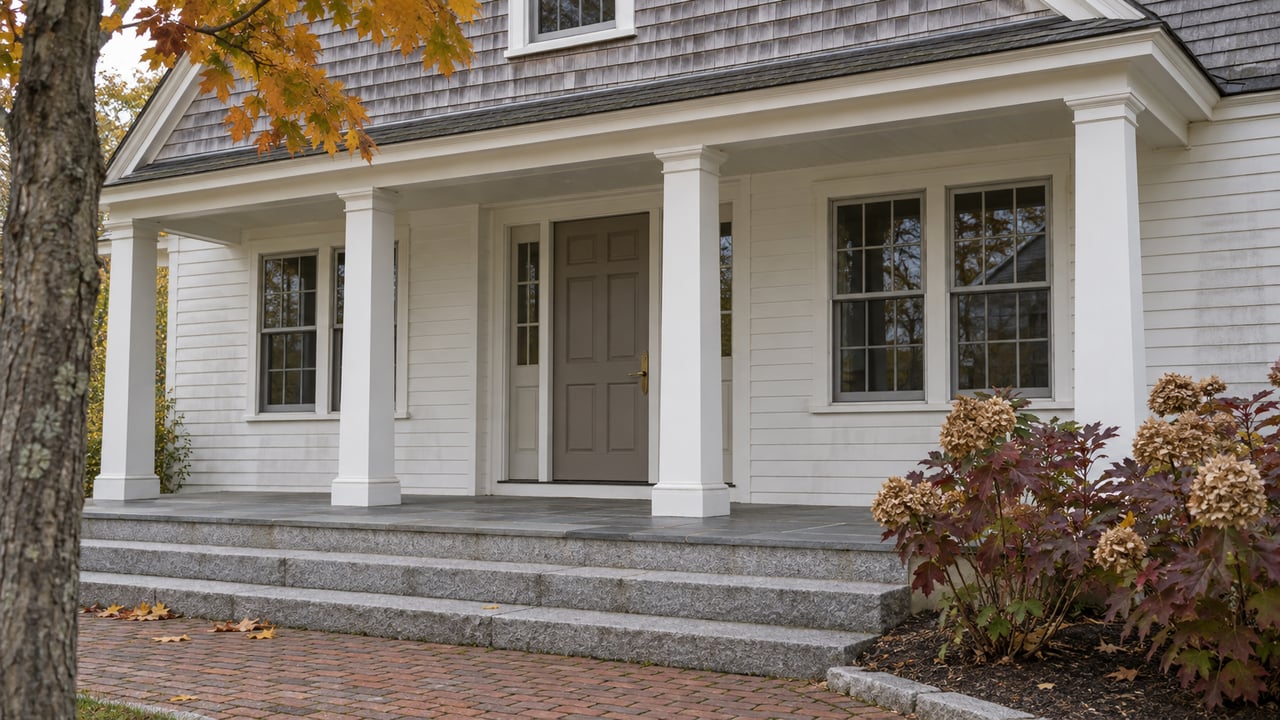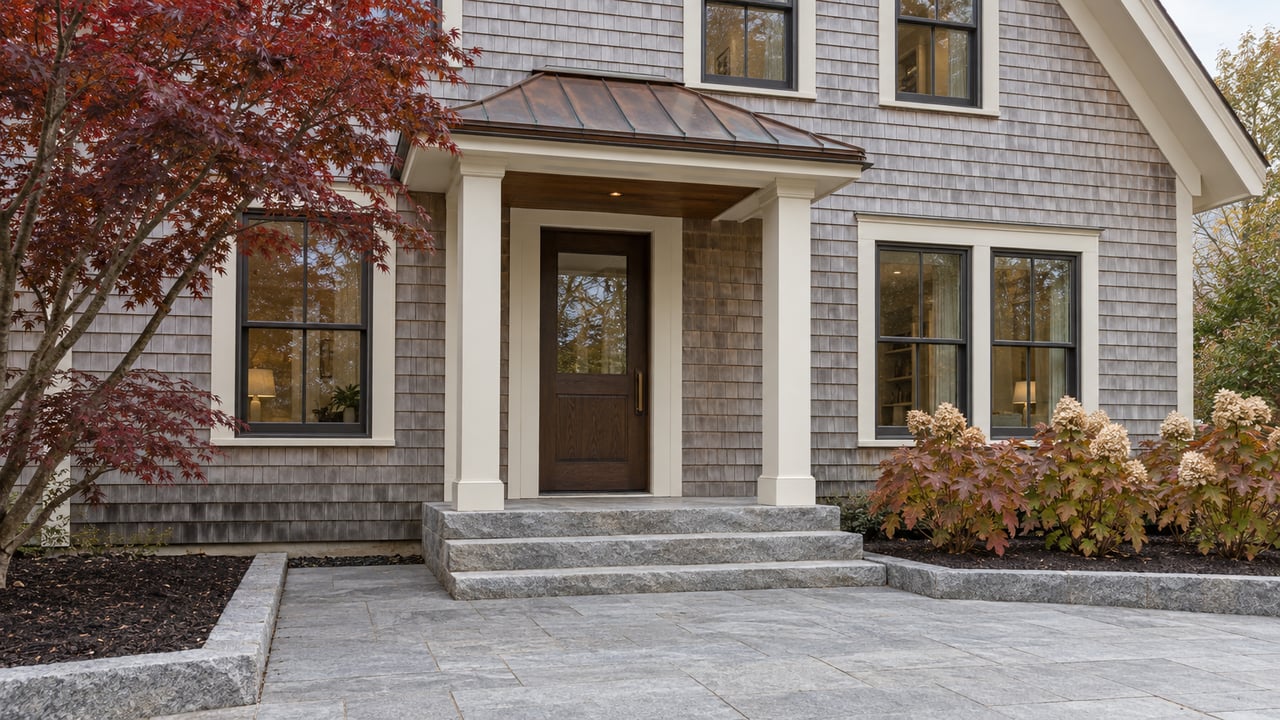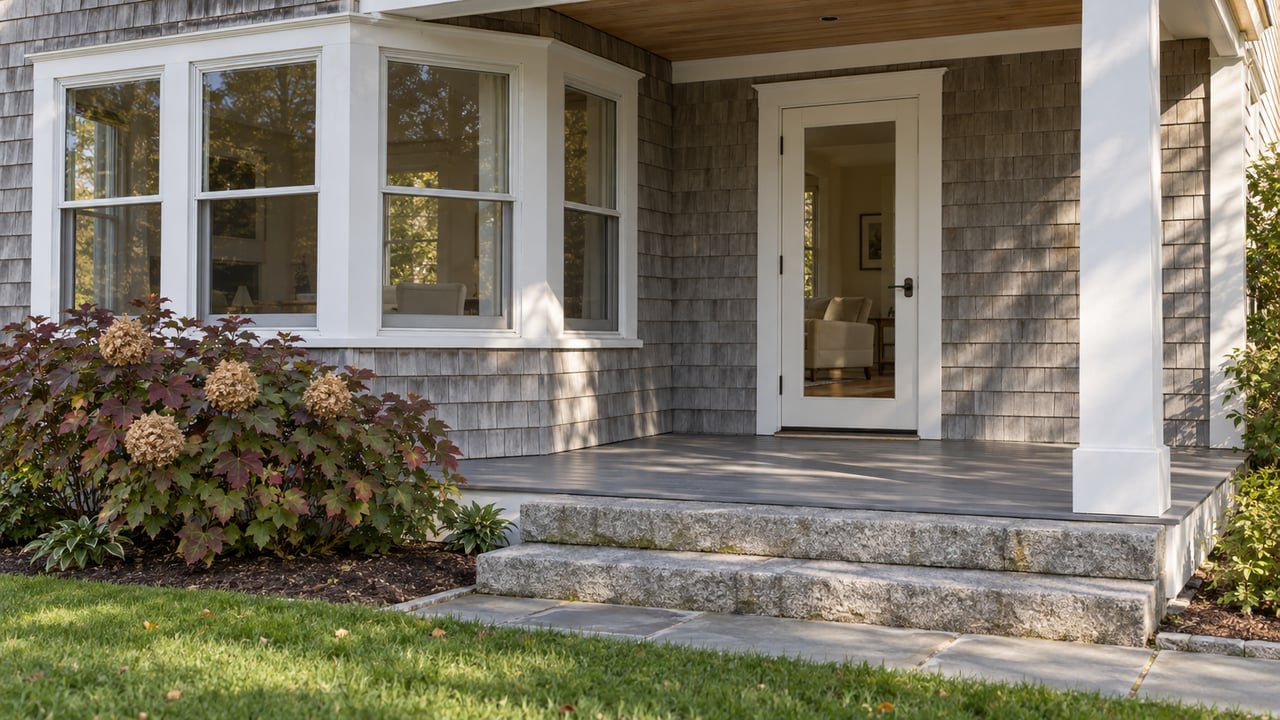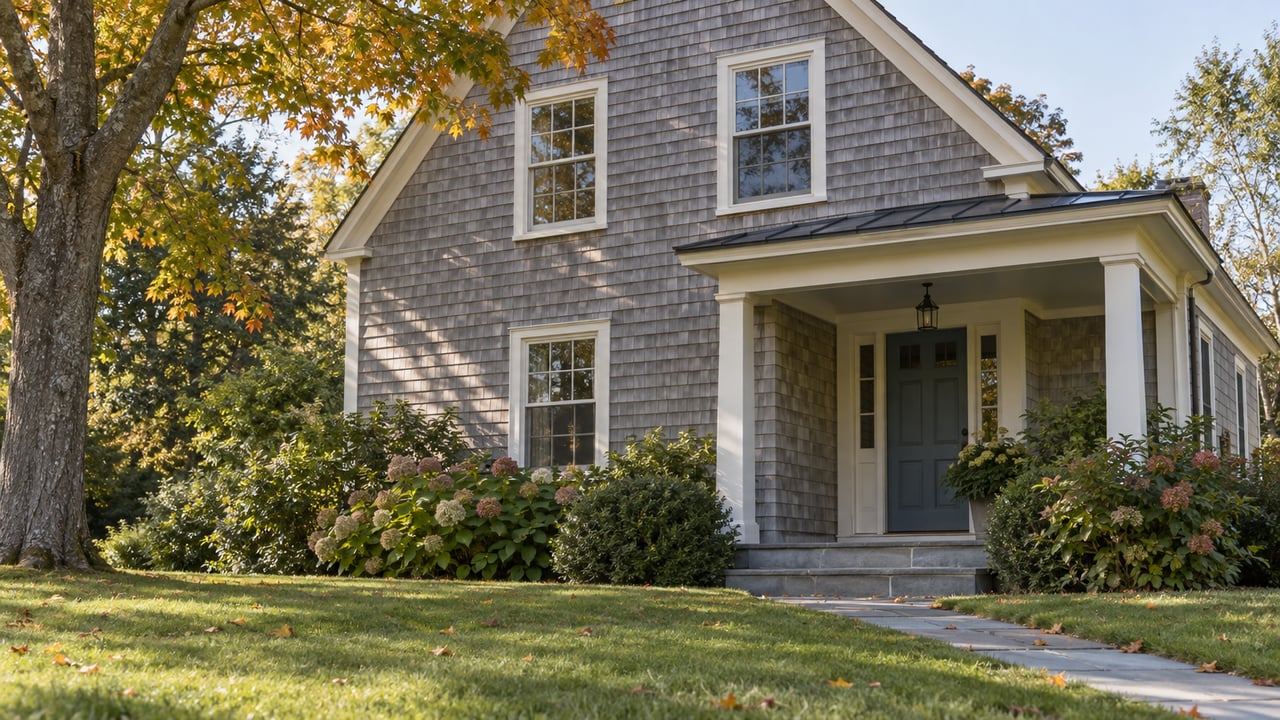
You can love Wellesley and still feel torn about what kind of home makes the most sense next. If you are weighing a single-family home against a townhome, you are not alone. In a town where detached homes are the baseline but newer attached options can offer a different lifestyle, the right choice often comes down to how you want to live day to day, not just what you want to buy. This guide will help you compare space, upkeep, flexibility, and long-term fit in Wellesley so you can move forward with more confidence. Let’s dive in.
Why this choice matters in Wellesley
Wellesley has a very specific housing profile. Census QuickFacts reports an 84.4% owner-occupied rate and a median owner-occupied home value of $1,582,700. The town’s 2025 Strategic Housing Plan also shows 7,315 single-family parcels, with a median assessed single-family value of $1,656,000.
That context matters because detached homes still define much of the local market. The same town plan reports a median single-family living area of 2,086 square feet, 9 rooms, and a 15,000-square-foot lot, with a median year built of 1950. In other words, when you compare a single-family home with a townhome in Wellesley, you are often comparing two very different ownership experiences.
Single-family homes: more control and space
If you want privacy, yard space, and more say over how you use your property, a single-family home often stands out. You own the house and the land, which usually means more freedom to update, expand, landscape, or rework the property over time, subject to local rules.
That flexibility can matter even more in Wellesley because the town allows accessory dwelling units under Section 5.13. According to the town’s ADU rules, an accessory unit may be within an existing home, attached to it, or detached. For some buyers, that creates meaningful long-term potential for multigenerational living, guest space, or a future change in household needs.
Single-family ownership also usually means you are responsible for more. Exterior repairs, roof work, landscaping, snow removal, and other upkeep generally fall on you. Massachusetts home insurance guidance also treats the dwelling and other structures on the lot as part of what you insure to rebuild, which is another reminder that more control usually comes with more responsibility.
When a single-family home may fit best
A single-family home may be the better match if you want:
- More privacy
- More outdoor space to use and maintain yourself
- Greater control over renovations and updates
- Flexibility for long-term planning
- Potential future ADU options, subject to local requirements
Townhomes: less exterior upkeep, more shared structure
Townhomes and many attached homes appeal to buyers who want a more compact footprint and less hands-on exterior maintenance. In Wellesley, much of the town’s newer multifamily opportunity is planned around walkable, transit-oriented, and commercial areas such as Wellesley Square/Linden Street, Wellesley Hills, and the Wellesley Office Park Smart Growth Overlay.
That location pattern can be a real advantage if you want to be closer to town centers or commuter rail. It may also suit you if your priority is convenience over lot size. For some buyers, that tradeoff feels well worth it.
Still, attached ownership comes with a different structure. In Massachusetts, condos are governed by the master deed, deed, bylaws, and Chapter 183A, and common expenses must be assessed at least annually. Buyers should expect association fees and understand that special assessments may also arise.
Because these rules are private documents, they can affect day-to-day use. The governing documents may regulate residents, guests, tenants, and certain uses of the property. That is why document review matters so much when you buy a townhome or condo in Massachusetts.
When a townhome may fit best
A townhome or condo may be the better match if you want:
- Less exterior maintenance
- Shared upkeep of grounds and common areas
- A smaller footprint
- Proximity to town or transit-oriented areas
- A lifestyle with fewer personal maintenance tasks
The real tradeoff: control versus convenience
In Wellesley, this decision is usually not as simple as house equals better and townhome equals smaller. The more accurate comparison is control and space versus convenience and shared upkeep. That framing better reflects how these two ownership styles function in daily life.
A detached home usually gives you more private outdoor control and separation from neighbors. An attached home usually reduces the amount you personally maintain, but it also means shared walls, common areas, and association rules. Massachusetts defines condominium common areas broadly, and that can include things like yards and recreational facilities.
If outdoor use is important to you, think carefully about what kind of access and control you want. If convenience matters more, you may be happy to trade some private space for simpler upkeep. Neither option is automatically better. The better option is the one that aligns with your routine, priorities, and plans.
Do not assume the townhome is cheaper
This is one of the most important points for Wellesley buyers. The town’s 2025 Strategic Housing Plan notes a downsizing gap because of the cost and limited supply of smaller units. It also describes a gap between what owners may net from older homes and the cost of newer condominiums.
That means an attached home is not automatically the budget option here. A lower purchase price, if there is one, may be offset by association fees, insurance needs, or special assessments. The best comparison is the full monthly carrying cost, not the list price alone.
Costs to compare side by side
When you evaluate two properties, look at:
- Purchase price
- Property taxes
- Monthly association fees, if any
- Insurance responsibilities
- Expected maintenance and repair costs
- Potential special assessments for attached homes
This kind of side-by-side review often makes the decision clearer. It also helps you avoid being surprised by costs that are easy to overlook during an initial search.
How Wellesley’s housing stock shapes your options
Wellesley’s housing stock helps explain why this decision can feel so personal. Detached homes remain the dominant form, and the town plan notes that owner households are concentrated in 3-bedroom and 4-plus-bedroom homes. That reinforces the town’s reputation as a market where many buyers are thinking about move-up ownership rather than entry-level inventory.
At the same time, the same planning work points to a real need for smaller housing options. For downsizers or buyers who want to stay in Wellesley with less upkeep, attached homes can fill an important role even when they are still expensive. The appeal is often not just size. It is the shift in lifestyle.
Questions to ask before you choose
If you are trying to narrow the choice, start with your daily life and five-year plan. The best home type usually becomes clearer when you focus on how you actually want to live.
Ask yourself:
- How much privacy do you want?
- Do you want a yard, and do you want to maintain it yourself?
- How important is renovation control?
- Would shared walls or association rules bother you?
- Are you looking for a simpler maintenance routine?
- Could future ADU flexibility matter to you?
- Do you want to be closer to transit-oriented or commercial areas?
Your answers can reveal whether you are really choosing space and autonomy or simplicity and shared responsibility. In Wellesley, that is often the heart of the decision.
Making a smart move in a nuanced market
Buying in Wellesley is rarely just about square footage. It is about matching your budget, your timeline, and your lifestyle to a market with strong single-family roots and a growing role for attached housing in select areas. The best choice is the one that supports how you want to live now while still giving you room to adapt later.
If you want help comparing specific homes, reviewing ownership tradeoffs, and understanding the process with clarity, working with a local advisor can make the search far more efficient. Laura Wurster brings a calm, detailed approach to Wellesley buyers who want strong local guidance and careful transaction management from search to closing.
FAQs
What is the main difference between a single-family home and a townhome in Wellesley?
- In Wellesley, the main difference is usually more control and private space with a single-family home versus more shared upkeep and less exterior maintenance with a townhome or condo.
Are townhomes in Wellesley always less expensive than single-family homes?
- No. Wellesley’s 2025 Strategic Housing Plan notes that smaller attached homes can still be costly, so you should compare full monthly carrying costs, not just purchase price.
Do townhomes in Wellesley usually have HOA or condo fees?
- Many attached homes and condos in Massachusetts have association fees, and common expenses must be assessed at least annually under Chapter 183A.
Can a single-family home in Wellesley offer more long-term flexibility?
- Yes. A single-family home may offer more flexibility for renovations, outdoor use, and possible ADU planning, subject to Wellesley’s local rules.
Why should buyers review condo or townhome documents in Massachusetts?
- Condo and townhome rules are set by private governing documents such as the master deed and bylaws, and those documents can regulate use, guests, tenants, and owner responsibilities.
Where are newer attached housing opportunities planned in Wellesley?
- Wellesley’s planning framework identifies areas such as Wellesley Square/Linden Street, Wellesley Hills, and the Wellesley Office Park Smart Growth Overlay for multifamily or transit-oriented housing opportunity.