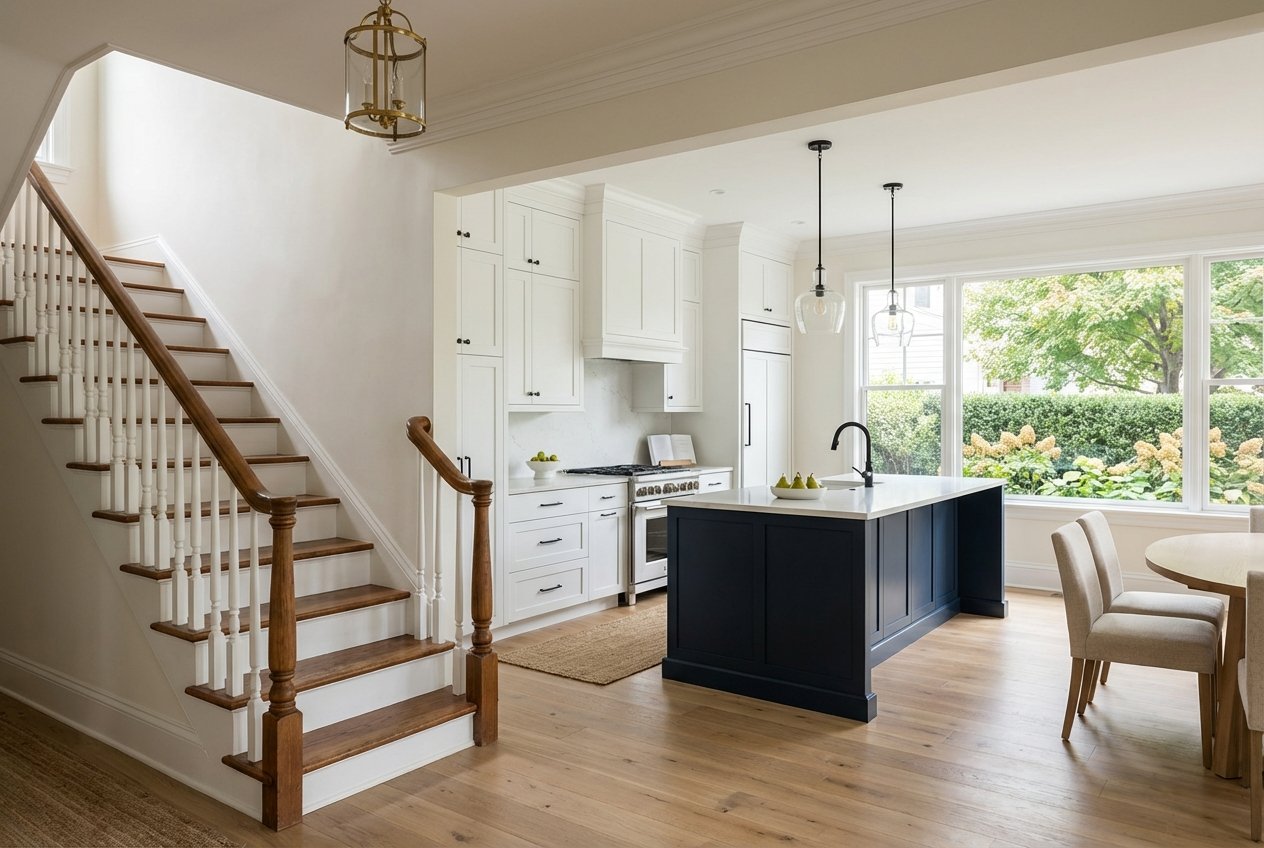
Love the character of a classic Colonial, but tempted by a turnkey new build that just works from day one? You are not alone. In Wellesley, both paths are strong options, yet they come with very different layouts, costs, rules, and timelines. This guide walks you through how homes here are built, how they live, what they cost to maintain, and which town rules can shape your plans. By the end, you will have a clear, practical framework to choose a home style that fits your life and your budget. Let’s dive in.
Wellesley market snapshot
Wellesley is one of Greater Boston’s most competitive suburban markets. Most single-family sales in recent years have clustered above $1.5 million, with a large share in the $2 million and up range. Modeled home-value indices put the typical Wellesley value around the high $1.9 million band as of early 2026, while list and sold medians vary by source and time window. Price per square foot often lands in the $600 to $800-plus range for single-family homes, with premium and fully renovated properties on the higher end. You will see wide variation by neighborhood and condition. For a sense of pricing patterns by square foot, review recent trends for Wellesley on data platforms such as PropertyShark’s market trends page.
Low inventory is typical, and different neighborhoods move at different speeds. Plan ahead, be financially ready, and weigh tradeoffs early so you can act with confidence when the right home appears.
What Wellesley homes look like
Wellesley’s housing stock skews older, with an average home age reported around 66 years. That means you will see many early- and mid‑20th‑century homes alongside newer custom builds. For a data snapshot of age and property mix, you can reference ATTOM’s Wellesley profile via its Property Navigator.
Historic and early‑century charm
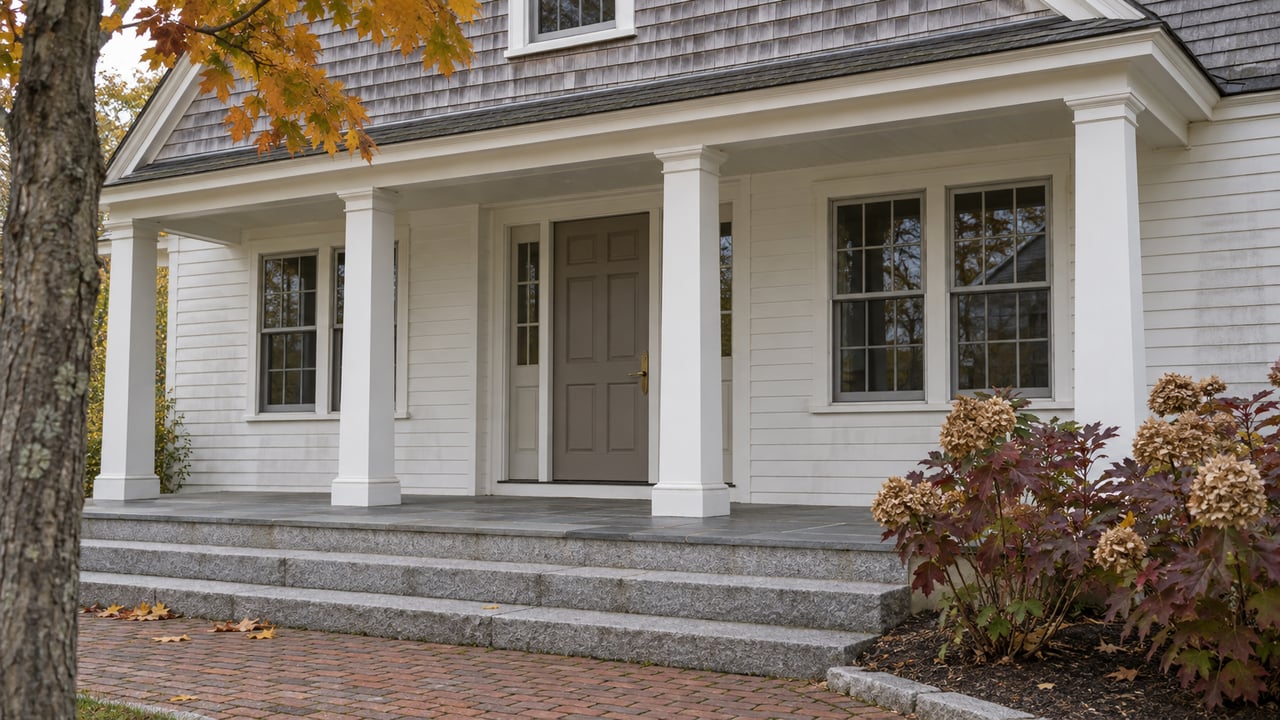
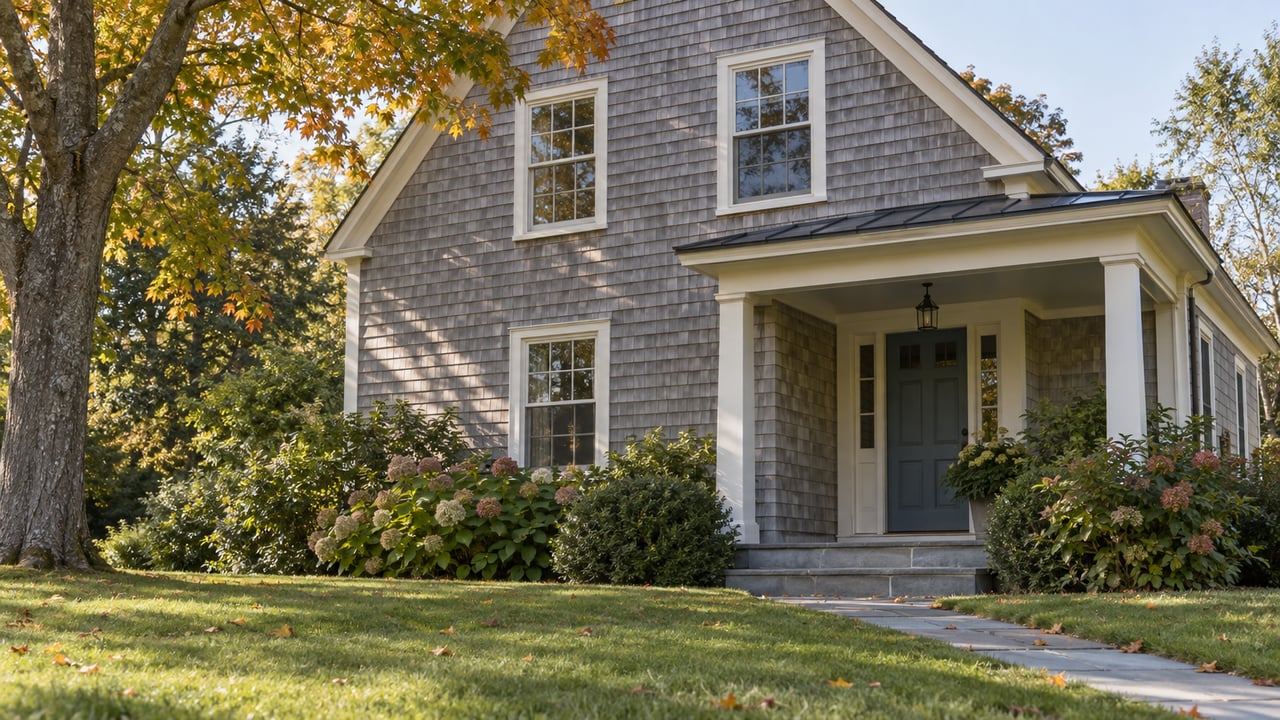
Classic Colonial Revival and Tudor Revival homes are common, as are late Victorian and Queen Anne examples in older pockets. You will also spot Shingle and Craftsman influences, Cape Cod cottages, and estate‑scale properties in areas such as Cliff Estates and Wellesley Farms. Expect hardwood floors, detailed millwork, and mature landscaping. Many of these homes were built with formal rooms and defined entries, which can feel cozy and composed.
Mid‑century to newer
From the 1950s through the 1980s, simpler plans and larger windows became common. You will find ranches and mid‑century Colonials that offer good bones and opportunities for thoughtful modernization. Many of these homes have already seen updates to kitchens, baths, and systems.
New construction features
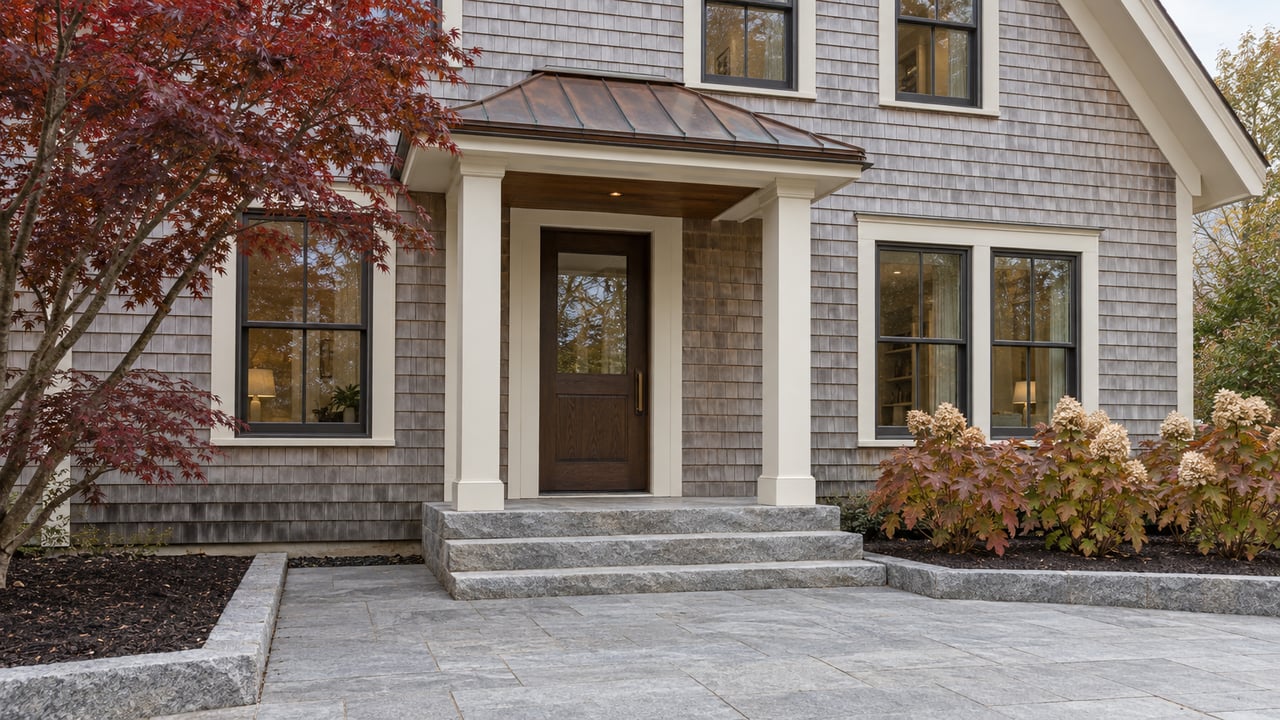
Recent new builds and tear‑down replacements tend to emphasize open first floors, large kitchen islands, mudrooms, a generous primary suite, and finished lower levels. At the high end, you will see indoor‑outdoor flow, EV charging, high‑efficiency HVAC, and smart‑home integrations. For a sense of current build standards and features, review examples from a regional builder like GC Builders.
How layouts shape daily living
Layout is where the age of a Wellesley home shows most. Many older homes have formal living and dining rooms plus smaller original kitchens. When renovated, they often open up walls to create a kitchen‑family room hub, which can require structural work. Mid‑century homes lean more casual, sometimes with single‑level living. New builds are nearly always open‑plan downstairs with bedroom suites and generous baths. For a plain‑English look at how architecture eras translate to layout, see this clear explainer on styles and floor plans from The Mumoli Collective.
If you love original detail and separated rooms, a well‑kept period home may fit. If you want an open kitchen and family room from day one, a newer renovation or new build will likely feel more natural.
Maintenance and hidden costs to expect
Older homes often deliver character and mature trees, but they can come with higher ongoing maintenance. New builds can reduce near‑term repair risk, but carry higher acquisition or build costs and may face town review. Budget realistically for the age and condition of the home you choose.
Common items to plan for in older Wellesley homes include:
- Lead paint in pre‑1978 homes. If you plan to renovate or have young children, understand safe work practices and compliance. The EPA’s lead guidance is a good starting point.
- Outdated electrical systems. Knob‑and‑tube wiring and older panels can increase insurance hurdles; many carriers require updates before or soon after closing. The Boston Globe outlines why renovations often trigger insurance reviews in its piece on renovating and insurance needs.
- Older heating, plumbing, and sewer laterals. Oil burners, cast‑iron waste lines, and aging boilers can be serviceable but may surprise your budget if replacement is near.
- Asbestos in some pre‑1980 materials. Often safe if intact, but it becomes an abatement cost if disturbed during renovations. The EPA explains risk and management in this asbestos overview.
Typical project ranges for the area:
- Roof replacement: many Massachusetts single‑family asphalt roofs fall roughly in the 9,000 to 30,000 dollar range depending on size and complexity. See regional context in Fixr’s Massachusetts roof guide.
- Kitchen renovation: mid‑range to high‑end kitchens in Greater Boston commonly start around the mid‑30,000s and can exceed 100,000 dollars with custom finishes or structural work. See a breakdown in this Massachusetts kitchen cost guide.
- Electrical upgrades: rewiring and service upgrades vary widely by house size and access. For larger period homes, full rewires can be substantial. Get electrician bids early and confirm insurance requirements before closing.
Tip: Ask for permits and contractor documentation on recent work. High‑quality systems and well‑executed kitchens and baths often command a premium at resale.
Local rules that can change your plan
Wellesley’s planning and preservation rules shape what you can build or alter. If you are considering a major addition, teardown, or a custom new home, learn these processes early.
Large House Review and TLAG
Wellesley uses a Total Living Area plus Garage (TLAG) calculation to decide when a project must go through Large House Review. Thresholds vary by zoning district; published examples include 3,600, 4,300, 5,900, and 7,200 square feet. If your proposed home or addition exceeds the applicable threshold, you will enter Planning Board review, which can add design iterations, timelines, and public meetings. Start with the Town’s TLAG affidavit and guidance to understand the math and submittals.
Historic Districts and demolition review
Parts of Wellesley fall in designated historic districts, and there is a townwide demolition review (delay) bylaw. Exterior changes in historic districts require a Certificate from the Historic District Commission. Always verify whether a property lies in a district before planning major exterior work. The Town’s Historic District Commission page outlines district maps and review steps.
Timeline and construction costs
Custom new homes in the area often take 12 to 18 months from design through permitting and build. High‑end new construction in MetroWest commonly runs well above basic build figures, with luxury finishes frequently cited at 500 dollars per square foot or more. For real‑world context on process and finishes, browse a regional builder’s overview like GC Builders.
Neighborhood notes to frame your search
- Wellesley Farms: larger lots and early 20th‑century homes, often with estate‑scale feel and privacy.
- Cliff Estates: stately properties and wide, leafy streets; many significant renovations and custom builds.
- Wellesley Hills and Wellesley Square: a mix of early‑century homes and mid‑century infill with access to village shops and the commuter rail.
- Poets Corner, Dana Hall, The Fells: smaller enclaves with distinct architectural character and lot patterns.
Each area carries different streetscapes, parcel sizes, and walkability to services. If proximity to schools or rail is important to you, weigh that in your shortlist. Keep descriptions neutral and focus on how each home meets your needs.
Decision guide: historic charm vs new build
Use this quick framework to pressure‑test your preference.
- Lifestyle fit. Do you prefer original detail and mature landscaping, or a turnkey open plan with modern systems? If you love character and are open to projects, a period home can shine. If you want convenience and efficiency on day one, lean newer.
- Renovation tolerance. Will you have time and budget for multi‑trade projects like electrical, plumbing, insulation, and roofing? Line up inspection specialists early and confirm insurability before you finalize a purchase.
- Regulatory reality. Will a major addition trigger TLAG thresholds and Large House Review? Is the property in a historic district? Check the TLAG guidance and the Historic District Commission page before you sketch plans.
- Budget buffer. Older homes often benefit from a contingency of 10 to 20 percent of purchase price for maintenance and upgrades, depending on condition. Build in reserves and prioritize must‑do systems first.
- Resale outlook. In Wellesley, both well‑maintained period homes and thoughtfully designed new builds perform well. Neighborhood, functionality, and quality of work tend to matter more than style alone.
How to choose confidently in Wellesley
Choosing between a storied older home and a new build is both a lifestyle decision and a planning exercise. You want clarity on layout, systems, and future costs, plus a firm read on town rules that could affect your plans. With a local, legal‑savvy advisor, you can streamline that due diligence, avoid surprises, and buy with confidence.
If you would like a tailored walkthrough of specific homes, proposed renovations, or a potential new build, connect with Laura Wurster. You will get a clear plan for inspections, insurance considerations, TLAG and HDC checks, contractor introductions, and a purchase strategy that fits your goals.
FAQs
What price ranges should I expect for Wellesley single‑family homes?
- Most single‑family sales cluster above $1.5 million, with many in the $2 million and higher band; price per square foot often ranges from about $600 to $800‑plus depending on neighborhood and level of renovation.
What issues should I watch for in older Wellesley homes?
- Common items include potential lead paint, outdated electrical systems, older heating equipment, and cast‑iron sewer laterals; see the EPA’s lead guidance and consult specialists during inspections.
What is TLAG and when does Large House Review apply in Wellesley?
- TLAG stands for Total Living Area plus Garage; if your project exceeds the threshold for your zoning district, you must complete Planning Board review under Large House Review; start with the Town’s TLAG affidavit and guidance.
How do historic districts affect remodeling or additions?
- Homes inside designated districts require Historic District Commission approval for exterior changes; check status and process on the Town’s Historic District Commission page before planning.
How long does a custom new build take in Wellesley and what does it cost?
- Many custom builds take about 12 to 18 months from design through construction; high‑end projects often exceed 500 dollars per square foot depending on finishes; see process context with a builder like GC Builders.
What are typical costs for big updates like a roof or kitchen?
- Roof replacements in Massachusetts often range from roughly 9,000 to 30,000 dollars depending on size and complexity, and Greater Boston kitchens commonly start in the mid‑30,000s and can exceed 100,000 dollars; see Fixr’s roof guide and a Massachusetts kitchen cost overview.