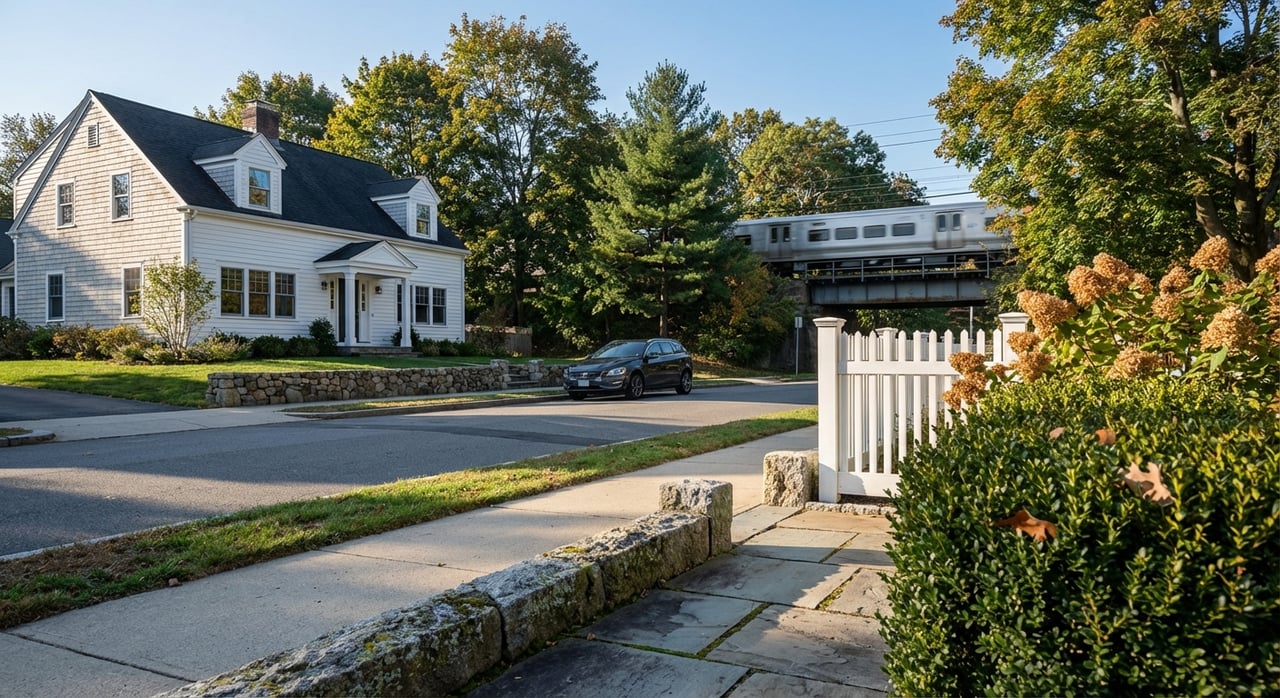
If you love Wellesley’s town feel but work in Boston, your daily commute is probably top of mind. You want predictable timing, clear costs, and options if your schedule shifts. In this guide, you’ll get a practical look at train and driving choices, realistic door-to-door times, permits and parking, plus how each Wellesley village lines up with your commute goals. Let’s dive in.
Commuter rail from Wellesley
Wellesley has three MBTA Commuter Rail stops on the Framingham/Worcester Line: Wellesley Square, Wellesley Hills, and Wellesley Farms. The Town’s transit page lists each station and nearby parking resources, which is helpful as you plan your routine and budget. You can start with the town’s overview of public transportation and parking.
Typical rail times and patterns
In-train time from Wellesley to Back Bay or South Station is commonly around half an hour on many trains, especially if you catch an express. Wellesley College’s visitor info notes Wellesley Square as a primary access point and reflects these practical travel times for campus visitors and commuters alike. For context, see the college’s directions and maps.
Your door-to-door reality depends on your exact start and end points. Add time to walk or drive to the station, wait for the train, and then walk or transfer on the Boston side. Many riders land in a 30 to 60 minute door-to-door window depending on the train, origin, and final destination.
Express and local patterns vary by time of day, and headways are measured in tens of minutes rather than single digits. If you miss an express, you may wait for the next train or ride a slower local. Check current timetables before you choose a neighborhood. You can scan the line’s schedule on Track Your Transit.
Fares and passes
Wellesley stations are in MBTA Commuter Rail Zone 3. If you plan to ride most weekdays, compare a Zone 3 monthly pass with pay-per-ride options. Always confirm the current price on the MBTA’s pass portal before budgeting. Review options on the MBTA Commerce Passes page.
Station parking and permits
If you plan to drive and park at a station, study the Town’s commuter parking program. Wellesley sells annual commuter-lot permits for designated lots, including the large Tailby lot by Wellesley Square and smaller lots at Wellesley Hills and Wellesley Farms. Details and maps are on the Town’s Parking Lots and Rates page.
Two key planning points:
- A permit does not guarantee a space. The Town makes this explicit, so arrive early or have a backup plan such as drop-off, carpool, ride-hail, or local transit. See the Town’s permit notice.
- Lot capacity varies by station. Tailby is the largest among town commuter lots, while Hills and Farms lots are smaller. If you rely on parking daily, confirm availability and consider how often you can reasonably arrive early.
Driving routes and times
Two common corridors connect Wellesley to central Boston:
- Route 9 east toward Newton and Brookline into Back Bay. No tolls, but many signals.
- I-95/Route 128 to I-90/Mass Pike into the city. Usually faster off-peak, but tolls apply and incident-driven backups can add time.
Under typical conditions, many drivers see about 30 minutes into Boston. During peak hours or with incidents, the range often stretches to 35 to 60 minutes or more. The variability and downtown parking search time are the main tradeoffs. For a baseline, see Travelmath’s Wellesley-to-Boston drive time estimate, then test your actual route at your real commute time.
Downtown parking costs
Garage costs can dominate a driving commute. Monthly parking near Back Bay or South Station often runs in the low-to-mid hundreds of dollars, and daily rates are frequently higher than you expect. Check options near your specific office to budget accurately. Market listings like South Station parking options can help you benchmark costs.
Wellesley villages and your commute
Wellesley’s village centers influence how you access the train and major roads. Aligning your home search with your preferred commute mode can save time and stress.
Wellesley Square
Wellesley Square places you within a short walk of the Wellesley Square station and the larger Tailby lot. If walking to the train is a priority, this area offers the most predictable door-to-door timing. Wellesley College guidance treats the Square as a primary rail access point for visitors, which matches everyday commuter behavior. See the directions and maps that reference access through Wellesley Square.
Wellesley Hills
Wellesley Hills, just north of the Square, has its own station and a smaller commuter lot. If you plan to park daily, spaces can fill sooner than at Tailby, so you will want to arrive early or have a plan B. The Swellesley Report provides a straightforward overview of the three stations and local context. Review the Wellesley stations overview.
Wellesley Farms
Wellesley Farms serves the southwest side of town with a historic station and medium-sized lot. It is a convenient choice if you live nearby and can arrive early for parking. Capacity still varies, so confirm current rules and permit status on the Town’s site and consider alternatives during inclement weather or special events.
Lower Falls and other pockets
Areas near Lower Falls or town edges can be closer to Route 9 or to neighboring transit nodes. Some residents drive to the most convenient MBTA lot, while others prefer a quick drive into Boston during off-peak hours. If you do not want to park at a station, consider local bus or microtransit options for the last mile.
Last-mile options without parking
You are not limited to driving and parking at the station. The MetroWest Regional Transit Authority (MWRTA) operates fixed routes and an on-demand microtransit service that can cover key connections. MWRTA Route 1 and Catch Connect are worth reviewing if you prefer to avoid station parking or need flexible last-mile coverage. Start with MWRTA Route 1 and then explore microtransit options from there.
Cost comparison basics
Build a simple side-by-side budget to clarify the best choice for your situation.
- Commuter Rail: MBTA Zone 3 monthly pass plus any Wellesley commuter-lot permit you plan to use. Confirm pass pricing on the MBTA Commerce Passes page and permit details on the Town’s Parking Lots and Rates page.
- Driving: Monthly garage near your office plus tolls and fuel. Use listings like South Station parking options to benchmark garage pricing, then add tolls and estimated gas.
Once you put real numbers next to each option, the value difference often becomes clear. Many buyers find the rail option competitive after accounting for downtown parking, especially if they can reliably walk to a station.
Buyer checklist: test and plan
Use this quick process while you tour homes and compare villages:
- Test both routes. Do a live weekday morning test: rail from your likely station and a drive on your likely route. Time it door to door, not just in-vehicle. The Town’s public transportation page is a helpful starting point, then confirm schedules on Track Your Transit.
- Verify parking permits. If you plan to park daily, check permit availability and read the fine print. A permit does not guarantee a space, as noted in the Town’s permit notice. If guaranteed parking is essential, prioritize homes within a comfortable walk to a station.
- Compare real monthly costs. Price your Zone 3 pass on the MBTA Commerce Passes page, add any Wellesley lot permit, then compare with garage estimates near your office and expected tolls.
- Factor schedule flexibility. Train headways are in the tens of minutes. If you face variable hours, plan for a mix of rail and driving and choose a neighborhood that supports both.
- Watch service alerts. Commuter rail and highway projects can affect stations or weekend service. Build the habit of checking alerts while you are under agreement so you understand the patterns.
Plan your search with a commute lens
Your commute decision shapes where you will be happiest in Wellesley. If you want the most predictable routine, aim for a home within an easy walk of Wellesley Square, Hills, or Farms, and confirm your daily train options. If flexibility matters most, balance access to Route 9 and the Mass Pike with realistic downtown parking and costs. Either way, test your commute early in the process and build a clear plan for parking, last-mile connections, and schedule variability.
If you would like tailored guidance on neighborhoods, station proximity, and contract details that protect your timeline at closing, connect with Laura Wurster. Schedule a consultation to align your commute with your home search and move forward with confidence.
FAQs
How long is the Wellesley-to-Boston train commute?
- Many riders see about a half-hour in-train time to Back Bay or South Station, with door-to-door often landing between 30 and 60 minutes depending on walking, transfers, and the specific train; check the CR–Worcester schedule before you commit.
Which Wellesley station is best for walking access?
- Wellesley Square places you closest to the largest town commuter lot and shops, and it is commonly referenced as a primary access point for visitors and commuters; see the college’s directions and maps.
Does a Wellesley commuter permit guarantee parking?
- No, the Town states that permits do not guarantee a space, so plan to arrive early or use a backup like drop-off, carpool, ride-hail, or MWRTA; review the Town’s permit notice.
How often do trains run from Wellesley?
- Headways vary by time of day and are typically in the tens of minutes, with a mix of express and local trains; always verify the current timetable.
What are typical drive times from Wellesley to Boston?
- Off-peak drives can be around 25 to 35 minutes, while peak periods often run 35 to 60 minutes or more depending on traffic and incidents; see a baseline on Travelmath.
How much does downtown Boston parking add to a commute?
- Many garages near Back Bay or South Station list monthly rates in the low-to-mid hundreds of dollars, which can exceed the MBTA pass cost when totaled with tolls and fuel; browse options like South Station parking to benchmark.
What MBTA pass do I need for Wellesley stations?
- Wellesley is in Zone 3 on the Commuter Rail, so compare the Zone 3 monthly pass to pay-per-ride based on how often you travel; confirm current pricing on the MBTA Commerce Passes page.