Thinking about trading city bustle for a town where your errands, commute, and weekend plans feel easy? If Wellesley is on your shortlist, you’re not alone. Many Boston-area buyers consider it for its village centers, commuter rail access, parks, and education options. In this guide, you’ll see what daily life looks like, from mornings on the train to afternoons at Morses Pond and evenings in Wellesley Square. Let’s dive in.
Where daily life happens
Wellesley’s rhythm centers on a few compact village areas rather than one big downtown. You run errands, meet for coffee, and catch the train from these hubs, each with its own feel and conveniences. The Town of Wellesley site offers maps and updates on civic services and business districts.
Wellesley Square
Wellesley Square is the town’s classic center with shops, restaurants, and one of the three commuter rail stations. Weekday mornings bring a quick coffee run, school drop-offs, and riders heading to Boston. Midday is calm, with lunch spots and boutiques drawing steady foot traffic. Evenings stay relaxed, with dinner and an easy stroll before heading home.
Linden Square
Just down the road, Linden Square is the go-to for groceries, casual dining, and quick errands. It is compact and walkable, so you can park once and knock out a to-do list. Many residents start or end their day here for coffee or a quick bite. Weekends bring families picking up supplies between sports and park time.
Wellesley Hills and Wellesley Farms
These quieter village centers mix small pockets of retail with residential streets and two more commuter rail stops. They feel low-key and residential, which many people like for a predictable daily routine. Morning parking near the stations fills early, so commuters often plan ahead. After work, you’ll see neighbors out for a walk before heading in for the night.
Getting around and commutes
Wellesley is designed for quick trips around town and direct routes into Boston. You can choose between the train and the car depending on your schedule.
- Commuter rail: Three stations on the Framingham/Worcester line connect you to Boston. Trip times to downtown typically range from roughly 20 to 40 minutes depending on the station and service. Check MBTA schedules and alerts for current times and parking details.
- Driving: Route 9 runs right through town and links to I-90 nearby. Drive times vary with traffic, especially during peak hours. Many residents mix driving and the train week to week.
- Local trips: Village centers are walkable, and residential streets make biking reasonable for shorter rides. For longer errands, most people drive.
Parks and weekend fun
If you like easy outdoor time, Wellesley makes it simple to get out between activities.
Morses Pond
In summer, Morses Pond is the town swim and recreation area. Families head over for the beach, water access, and a low-stress afternoon outside. Parking and access details are managed through town recreation programs.
Elm Bank Reservation
A short drive brings you to the landscaped grounds and gardens at Elm Bank Reservation, managed by the Massachusetts Horticultural Society. You’ll find walking paths, seasonal programs, and event spaces. It is a favorite for peaceful walks and low-key weekend plans.
Trails and recreation programs
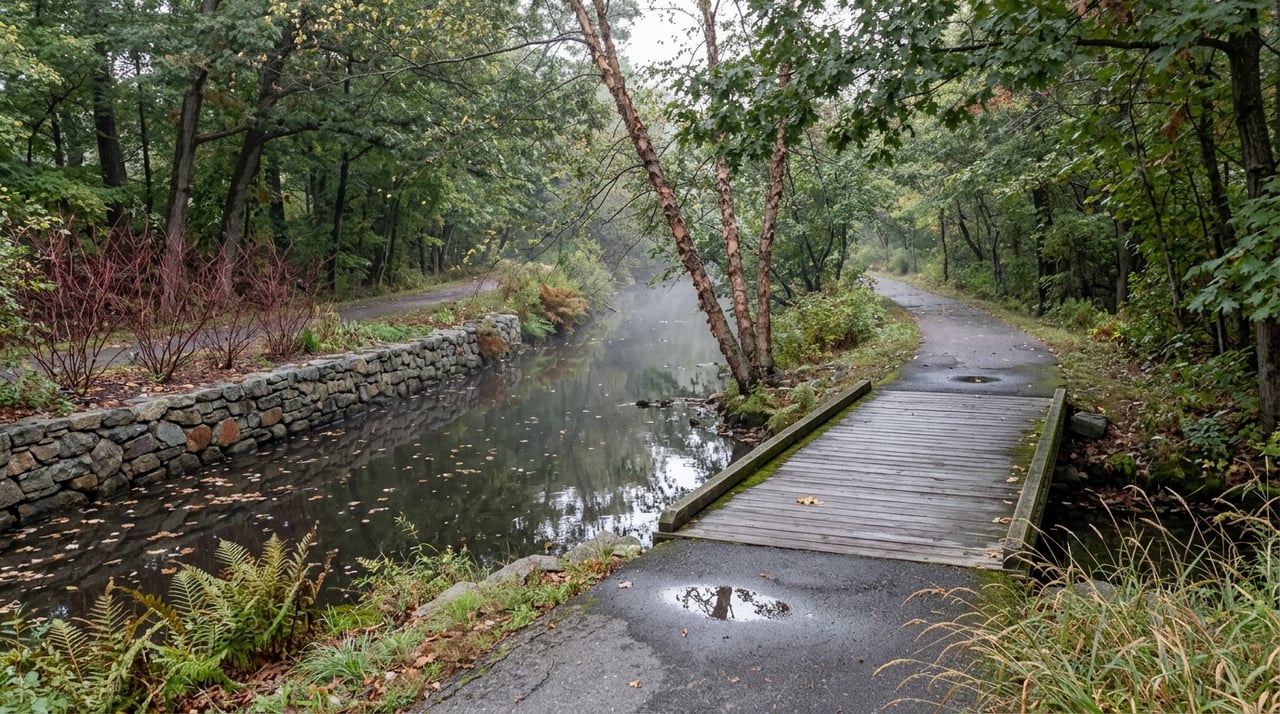
Wellesley maintains conservation lands and trails for walking, running, and cross-country skiing in winter. The town’s recreation department runs seasonal programs, youth sports, and lessons throughout the year. Registration windows can fill fast, so planning ahead helps secure your first choices.
Schools and learning culture
Public schools are a major draw for many buyers. The Wellesley Public Schools district includes multiple elementary schools, a middle school, and Wellesley High School. State report cards and district profiles regularly reflect strong academic outcomes and a wide range of extracurriculars. If you have younger children, plan early for preschool and after-school care, since popular programs can fill quickly.
Wellesley’s two colleges add energy and options beyond K–12. Wellesley College offers public lectures, performances, and access to the Davis Museum. Babson College brings additional events and athletics to round out the town’s cultural calendar.
Housing market: what to expect
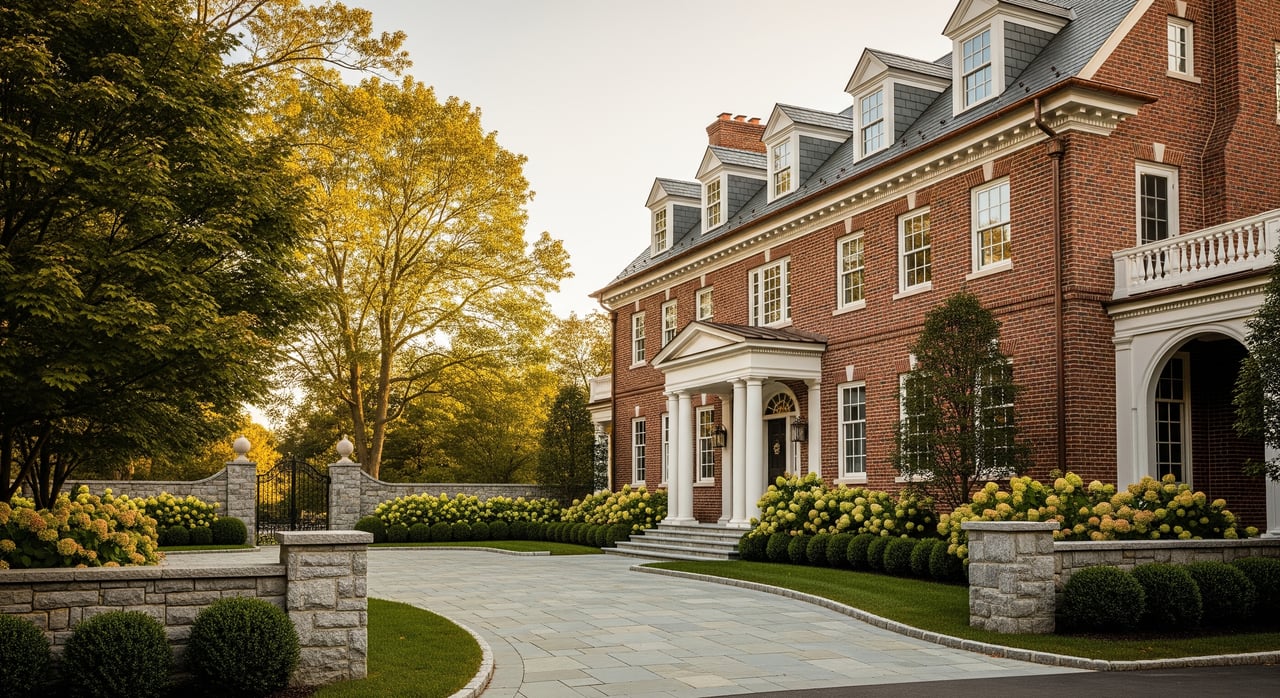
Wellesley’s housing stock is primarily single-family homes, with a mix of classic properties and renovated residences. Condo and multi-family options exist but are less common. Prices are typically well above regional averages, and well-located, updated homes can see strong interest. If you are buying, expect to move quickly with pre-approval in hand. If you are selling, demand is steady, though local cycles and seasonality still matter.
A practical approach helps in any market:
- Define your must-haves and nice-to-haves before you tour.
- Get pre-approved and understand your financing strategy.
- Review recent nearby sales to gauge pricing and pace.
- If you plan updates, check Wellesley permitting and zoning requirements.
Community rhythm and events
Wellesley has an active civic life with PTOs, volunteer boards, and local nonprofits. Town traditions and seasonal events create a steady cadence through the year, from farmers markets to holiday gatherings and summer concerts. The colleges add gallery shows, lectures, and performances to the mix. Check the Town of Wellesley calendar and local merchant pages for the latest dates.
Everyday practicalities
Municipal services include police, fire, libraries, and public works. Snow removal and recycling are organized through town departments, and property taxes reflect the area’s home values. For renovations, you will work through established permitting and inspection processes. For public safety and policy updates, rely on official town channels and police department notices.
Is Wellesley a fit for you?
- Families with school-age children: You will likely value the public schools, youth sports, and short rides to parks and trails. Plan ahead for program sign-ups and school calendars.
- Commuters to Boston: Living near a commuter rail station simplifies mornings. Balance train schedules with Route 9 and Mass Pike driving options for flexibility.
- Young professionals and couples: Smaller homes and condo options cluster closer to village amenities. Nightlife is quieter than Boston, but dining and event options are close by.
- Downsizers and retirees: Single-floor living, easy access to medical services nearby, and a slower daily pace appeal to many. Cultural offerings from the colleges provide engagement without a long drive.
Newcomer checklist
- Visit each village center at different times of day to see the flow you prefer.
- Test the commute you plan to use, both rail and driving.
- Explore Morses Pond, Elm Bank, and a few conservation trails.
- Review Wellesley Public Schools enrollment steps and calendars.
- Map your everyday errands and healthcare providers.
- If buying, get pre-approved and review recent local sales with your advisor.
- If selling, prepare a timeline, gather permits and records, and schedule pre-listing tasks.
Work with a local, legal-savvy guide
Moving into or within Wellesley is both a lifestyle choice and a significant transaction. You benefit from a calm, process-driven approach that keeps your goals front and center and your contract details on track. If you want guidance on neighborhoods, timing, and a risk-managed path to closing, connect with Laura Wurster for a conversation about your plans.
FAQs
How long is the commute to Boston from Wellesley?
- Typical commuter rail trips to downtown are roughly 20 to 40 minutes depending on station and service. Drive times vary with Route 9 and I-90 traffic.
What are the main village centers in Wellesley?
- Wellesley Square, Linden Square, Wellesley Hills, and Wellesley Farms are the key hubs for shops, dining, and commuter rail access.
How do Wellesley Public Schools work for enrollment?
- The town assigns students by policies published on the district site; review enrollment steps, timelines, and school calendars directly with the district.
Where do residents go for parks and outdoor time?
- Morses Pond is popular in summer, Elm Bank offers gardens and paths, and town conservation lands provide trails for walking, running, and winter skiing.
Are there public transit options besides the commuter rail?
- Local bus services operate in the area, but most long commutes rely on the commuter rail or driving, with walking and biking common for short trips.
What types of homes are most common in Wellesley?
- Single-family homes dominate, with some condos and multi-family options available in select locations around the village centers.