Thinking about selling your Wellesley home but not sure when to list? In Greater Boston, timing can shape buyer traffic, price, and how smoothly you close. You want a plan that fits school calendars, New England weather, and a realistic prep timeline. In this guide, you will learn the best listing windows by season, a step-by-step schedule to get market-ready, and local tips tailored to Wellesley. Let’s dive in.
How seasons shape Wellesley sales
Buyer activity in the Boston area follows a clear rhythm. Spring, roughly April through June, is the strongest window for showings and offers. Early fall, especially September and October, brings a second wave of motivated buyers. Late fall and winter are slower, but serious buyers still shop, and competition from other listings drops.
Use these windows as planning guides, not guarantees. Interest rates, inventory, and the broader economy can shift the exact timing each year. Your final decision should combine seasonal patterns with current local metrics and your personal timeline.
Spring: April to June
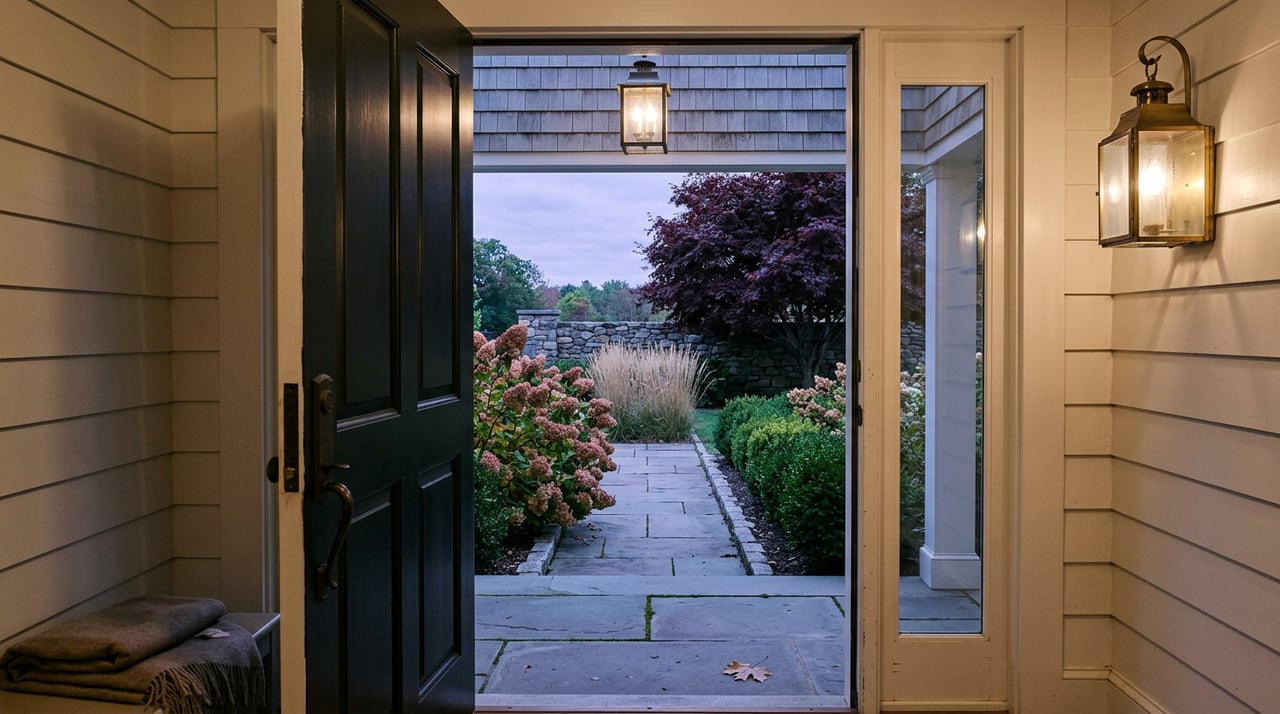
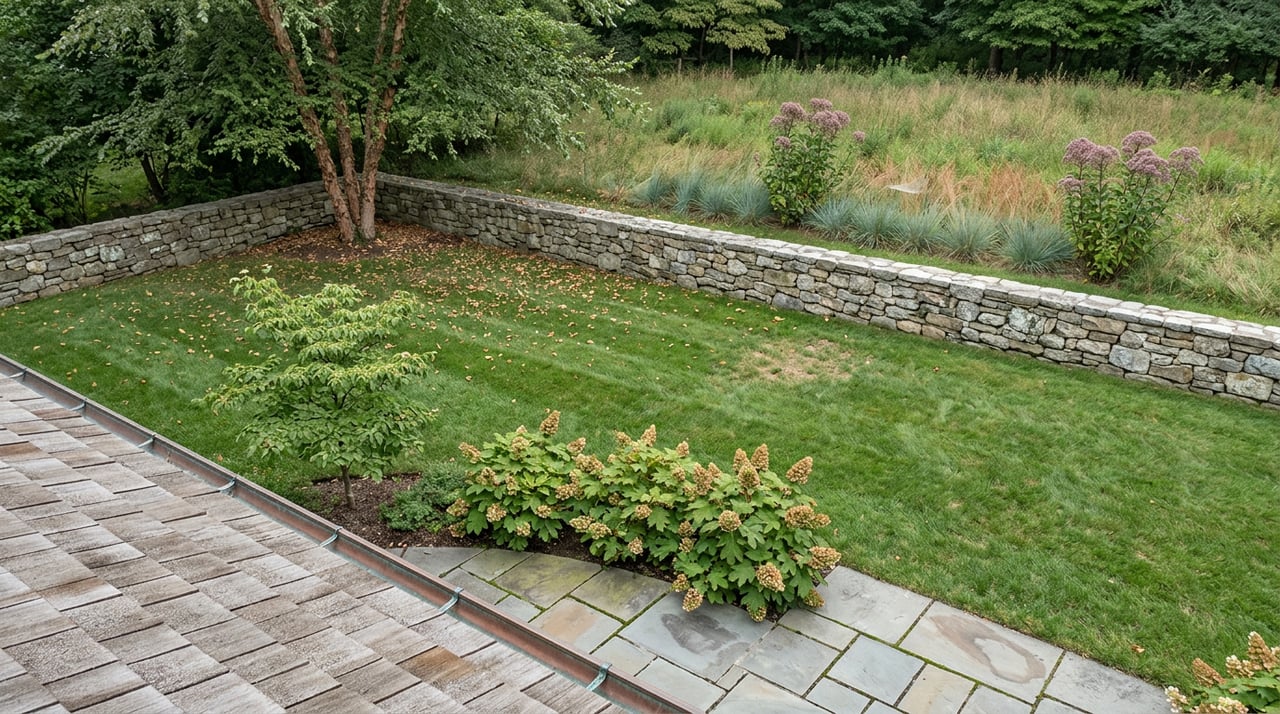
Spring is when Wellesley shines. Lawns and landscaping look their best, daylight is longer, and buyers have more time to tour. Many family buyers aim for a summer move that avoids mid-year school changes, which boosts spring demand.
The trade-off is competition. More homes come to market, so you need standout presentation, accurate pricing, and a focused launch. If you want to maximize exposure and potential price, plan now to be live by mid to late spring.
Summer: July to August
Early summer can still be active, especially for buyers targeting a quick closing before school starts. Later summer often slows as families travel. If you list in this window, highlight quick possession and move-in readiness.
You may see fewer competing listings than peak spring, which can help your home stand out. Expect buyer timelines to be tight and prioritize clear communication about closing dates.
Early fall: September to October
Early fall brings a smaller but serious buyer pool. Some shoppers are relocating for work, and others prefer to move before winter sets in. Landscaping remains attractive with early foliage, which supports curb appeal.
Inventory is usually lighter than spring, so a well-prepped home can capture attention. The runway is shorter, so your marketing and staging should be complete before listing.
Winter: November to March
Winter is the slowest season for showings in New England. Weather and short daylight reduce traffic, but buyers who do tour are often highly motivated. You also face less competition from other sellers.
If you list in winter, lean into value and convenience. Keep walkways cleared, schedule flexible showings, and use warm, high-quality interior photography to offset muted curb appeal.
Align with school-year timing
In Wellesley, school calendars influence many buyer decisions. If you want a summer move, plan backward from your ideal closing date. A July or August closing often means going under contract by late May.
For many sellers, that points to an April listing. This timing supports strong spring demand and gives room for a typical 30 to 60 day closing.
Build your listing timeline
Most well-presented Wellesley single-family homes need 6 to 12 weeks of prep. Choose the scenario that fits your goals and budget.
Scenario A: Maximize price (target April–May)
- Weeks 10–12: Hire your agent, order a pre-listing inspection, gather contractor bids for major items.
- Weeks 8–10: Complete major repairs, service home systems, paint interiors in neutral tones.
- Weeks 6–8: Deep clean, stage or reconfigure furniture, refresh landscaping, finish cosmetic updates.
- Weeks 3–4: Schedule professional photos at the right time of day, compile warranties and permits.
- Week 0–1: List, hold broker preview, and host open houses.
Scenario B: Short prep, fast list (2–6 weeks)
- Weeks 4–2: Declutter, paint key rooms, deep clean, tidy curb appeal, clear surfaces.
- Weeks 2–1: Professional photos, ensure utilities are on and systems functional, be ready to negotiate credits for any larger items found later.
Scenario C: School-year move plan
- Work backward from a July or August closing. Allow 30 to 60 days for closing once under contract.
- To close mid-July, aim to be under contract by late May, which typically means listing in early to mid-April.
Pricing and marketing by season
- Spring: Stronger buyer traffic can support firmer pricing. You still need a precise CMA and close attention to feedback during the first 10 to 14 days on market.
- Fall: Use lighter inventory to your advantage. Emphasize move-in readiness and features that handle colder months well.
- Winter: Consider a value-forward strategy and highlight energy efficiency, easy access, and flexible showings.
- Quick sale: Price competitively under recent comps to create urgency. Limit contingencies where feasible and consider credits for buyer improvements.
Photo and showing timing tips
- Spring photos: Mid to late April and May show landscaping and light at their best.
- Fall photos: Late September and October provide rich color before leaf drop.
- Winter listings: Keep paths plowed and well lit. Twilight photos can showcase interior warmth.
- Commuter-friendly showings: Wellesley’s rail stops and highway access matter to buyers, so schedule some showings when commute patterns are visible.
Local factors to feature in Wellesley
Buyers often value commute convenience to Boston and Cambridge, multiple MBTA commuter rail stops, and proximity to I-95 and the Mass Pike. Many look for lot size, mature landscaping, home office space, and finished lower levels. Keep marketing language neutral when describing school options and focus on convenience and timing rather than rankings.
Legal and logistics in Massachusetts
- Disclosures: For homes built before 1978, lead paint disclosures are required. Confirm any septic and Title 5 needs, plus local board of health requirements.
- Pre-sale checks: A pre-listing inspection can help avoid surprises and delays. Address major items early to keep your closing on track.
- Documentation: Organize permits, warranties, service records, and any renovation details well before you list.
Choose your ideal window
- If you want maximum exposure and strong pricing, target April through June and start prep 10 to 12 weeks ahead.
- If you prefer less competition, consider September or October, but execute a tight marketing plan.
- If privacy and speed matter most, winter can work with competitive pricing and clear showing logistics.
If you want a custom timeline that fits your move, your home, and current local data, let’s talk. You can plan your listing window, prep strategy, and pricing with a calm, process-driven approach that keeps your goals first. Schedule a conversation with Laura Wurster to map out your next steps.
FAQs
What is the best month to list a Wellesley home?
- Spring is typically strongest, especially April through June, but the exact month should match your prep timeline and current local market data.
Is fall a good time to sell in Wellesley?
- Yes, September and October often bring motivated buyers and lighter competition, though the marketing window is shorter than spring.
How far in advance should I start prepping to sell?
- Plan on 6 to 12 weeks for a well-presented home, and start major repairs or inspections 10 to 12 weeks before your target list date.
Does listing in winter ever make sense in Wellesley?
- It can, especially if you value less competition and serious buyers, but expect a smaller buyer pool and plan for weather-related showings.
How do school calendars impact my listing timing?
- Many buyers prefer summer moves, so listing in April can position you to go under contract by late May and close in July or August.
What repairs give the best return before listing?
- Address major systems and safety items first, then focus on fresh paint, deep cleaning, staging, and curb appeal for high-impact results.
Do I need a pre-listing inspection in Massachusetts?
- It is not required, but it can help identify issues early, support accurate pricing, and reduce closing delays for a smoother transaction.