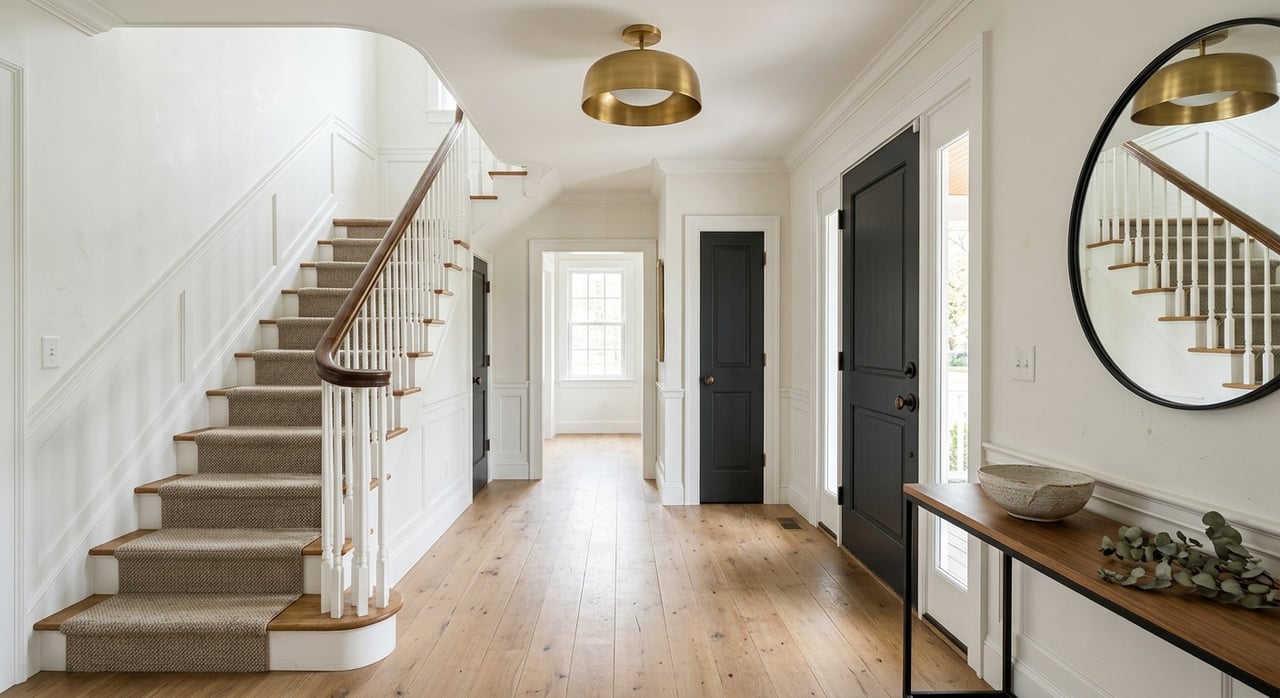
If you already live in Wellesley, you know a move-up purchase is rarely as simple as selling one home and buying the next. In a market where homes can go pending in about 15 days and sale prices average above asking, timing matters, budgets matter, and contract details matter. The good news is that with the right plan, you can reduce stress, protect your options, and move with more confidence. Let’s dive in.
Why move-up planning matters in Wellesley
Wellesley remains a fast, competitive market for buyers who want more space, a different layout, or a long-term next home. Redfin’s April 2026 data shows a median sale price of $1,836,552, a sale-to-list ratio of 101.1%, and many homes receiving multiple offers.
For local homeowners, that creates a very specific challenge. You are often trying to coordinate two major transactions in the same town, while competing with other nearby households that may be doing the exact same thing. Redfin’s migration data suggests many buyers looking at Wellesley are staying within the metro area, which helps explain why local timing pressure can stay high.
Start with your real budget
Before you look at houses, get clear on what your next monthly cost could really be. In Wellesley, that means looking beyond the new mortgage payment and including property taxes, closing costs, moving costs, and any period of overlap between homes.
Wellesley’s FY2026 tax rate is $10.17 per $1,000 of assessed value. The town also reports a median assessed residential value of $1,751,000 and a median residential tax bill of $17,808 for FY2026. Since the town reassesses property annually before the tax rate is set, it is smart to treat taxes as an ongoing part of affordability, not a side note.
If you are moving into a larger home, that recurring tax load can be meaningful. Even a short period of carrying two properties can add up quickly when the purchase price, taxes, and closing expenses are all higher.
Get preapproved before you make moves
In a market like Wellesley, preapproval should come early. A preapproval letter helps show sellers you are serious, and it gives you a better sense of your workable price range before you begin making decisions about listing, buying, or both.
This is also the time to keep your finances steady. Consumer guidance recommends avoiding new loans or large purchases in the months before buying. If you are trying to line up a move-up purchase, financial changes at the wrong time can complicate your timeline.
Sell first or buy first?
Selling first: simpler finances, tighter timing
For many move-up buyers, selling first is the cleaner path. It can reduce the risk of carrying two expensive homes at once and make your down payment strategy more straightforward.
The challenge is what happens next. If your current home closes before your next one is ready, you may need temporary housing, storage, or a negotiated timing cushion. In a town where homes move quickly, that buffer is not just a convenience. It can be an important part of your plan.
Buying first: more flexibility, more risk
Buying first can give you more control over where you move and when. But in practice, it usually works best when you have enough cash or equity to manage the overlap safely.
Some buyers discuss a HELOC or home equity loan with their lender to help bridge that gap. These are second mortgages, and a HELOC often comes with variable-rate risk. That does not make them wrong, but it does mean this path should be treated as a liquidity and risk decision, not an easy shortcut.
How to choose the right sequence
The right strategy depends on your equity, cash reserves, comfort with overlap, and how flexible your moving timeline can be. If carrying two homes would feel tight, selling first may be the safer route. If you have strong liquidity and need more control over the transition, buying first may be worth exploring carefully.
In either case, your plan should be built around real numbers and realistic timing. In Wellesley, a move-up transaction usually works best when the sale, purchase, financing, and closing calendar are all discussed together from the start.
How strong is a contingent offer in Wellesley?
Contingencies are defined conditions in an offer, such as financing approval or a satisfactory inspection. These protections matter because they can help prevent you from being locked into a purchase if lending or inspection issues arise.
At the same time, local market conditions affect how a seller sees them. Redfin reports that many Wellesley homes receive multiple offers and that some contingencies are waived. That means a home-sale contingency may be harder to win against a cleaner offer, even when it is the practical choice for your household.
That does not mean you should ignore risk. It means your offer strategy needs to balance protection with competitiveness. Deposit structure is part of that conversation too, since earnest money is often around 1% to 3% of the offer price.
Why contract details matter in Massachusetts
Massachusetts buyers should treat legal review as part of the normal process. Mass.gov says hiring your own attorney may be in your best interest, and an attorney can help with the purchase and sale agreement, mortgage documents, and closing documents.
That matters even more when you are coordinating a sale and a purchase at the same time. The purchase and sale agreement can include key terms such as sale price, financing, deposit, title, and closing date. When your timing is tight, each of those terms affects how much flexibility you really have.
For move-up buyers, this is where careful process management can make a major difference. Small contract decisions can shape whether your transition feels organized or chaotic.
Address inspection questions early
Massachusetts now requires more explicit inspection disclosure early in the process. State guidance says the seller or agent must provide a separate written disclosure affirming your right to a home inspection before or at the signing of the first purchase contract, and agents must provide the Home Inspector Consumer Fact Sheet.
In a competitive market, buyers can feel pressure to move fast. But inspection decisions should be addressed early, before you are too emotionally committed to a specific house. That is especially true when you are already managing the pressure of selling your current home.
Plan for closing dates not to match
One of the biggest move-up risks is a simple one: your two closings may not line up perfectly. Since offers include timing terms like the proposed closing date, this is not just a moving-day issue. It is a contract issue.
If your home sells before your next purchase closes, you may need temporary housing or storage. If your new purchase closes first, you may face a short period of dual ownership. Either way, the cost and inconvenience can be real, so it helps to talk through these possibilities well before you make an offer.
Build a practical move-up checklist
A successful move-up plan usually starts with clear sequencing and good communication. Before you make a major decision, make sure you have the basics covered:
- Review your equity position and likely down payment funds
- Get preapproved before shopping seriously
- Estimate taxes and monthly carrying costs on the next home
- Decide whether selling first or buying first fits your risk tolerance
- Talk through contingency options before you write an offer
- Plan for a possible gap between closing dates
- Review contract terms carefully, especially deposit, financing, inspection, and timing
When these pieces are handled early, you are less likely to make rushed decisions under pressure.
A calm strategy beats a rushed one
Moving up within Wellesley can absolutely work, but it usually works best when you treat it as both a market decision and a process decision. In a fast-moving town with high prices and meaningful carrying costs, the families who do this well are usually the ones who prepare early, stay realistic about timing, and make contract choices carefully.
If you are thinking about your next move in Wellesley, working with an advisor who understands both local market pace and transaction details can help you avoid expensive mistakes. To talk through your options, schedule a consultation with Laura Wurster.
FAQs
Should I sell first or buy first in Wellesley?
- Selling first often reduces financial risk, while buying first can offer more flexibility if you have enough cash or equity to carry overlap safely.
How competitive is a contingent offer in Wellesley?
- In Wellesley’s competitive market, a contingent offer may be less attractive than a cleaner offer because many homes receive multiple offers and some contingencies are waived.
Do I need preapproval before listing my Wellesley home?
- Preapproval is a smart early step because it shows sellers you are serious and helps you understand your price range before you try to coordinate a sale and purchase.
What happens if my Wellesley closing dates do not match?
- If your dates do not line up, you may need temporary housing, storage, or a short period of carrying two homes, so timing should be discussed early in the contract process.
How much does it cost to carry a larger home in Wellesley?
- Your costs can include a higher purchase price, closing costs, and property taxes, with Wellesley’s FY2026 tax rate at $10.17 per $1,000 of assessed value.